
























Unlocking the Secrets of Resource-Efficient Gardening: A Beginner’s Guide
Whether you’re a budding gardener or looking to refine your green thumb, mastering the art of resource-efficient gardening is not only beneficial for your garden but also for the environment. This beginner-friendly guide will walk you through simple, effective strategies to create a thriving garden that uses fewer resources and produces maximum results.
Understanding Resource-Efficient Gardening
Resource-efficient gardening focuses on minimizing waste and maximizing the use of natural resources. This includes optimizing water usage, utilizing sustainable materials, and reducing chemical inputs. By adopting these practices, gardeners can cultivate healthier gardens while conserving the environment and saving on costs.
Key Benefits
- Environmental Protection: Reduces your carbon footprint and promotes biodiversity.
- Cost-Effective: Decreases water and fertilizer costs through smarter usage.
- Enhanced Plant Health: Minimizes the risk of plant disease by reducing chemical dependency.
Planning Your Resource-Efficient Garden
Successful resource-efficient gardening starts with careful planning. Consider these aspects to set the right foundation:
1. Choosing the Right Location
Location impacts how well your plants will grow. Select a site that gets adequate sunlight (about 6-8 hours a day), has good soil quality, and is protected from strong winds. Consider accessibility to water sources and the proximity to natural shade or structures to optimize growing conditions.
2. Soil Preparation
Healthy soil equals healthy plants. Start by having your soil tested to understand its composition and nutrient levels. Enhance your soil using organic matter like compost and mulch, which help retain moisture, improve soil structure, and add nutrients.
3. Selecting Suitable Plants
Choose plants that are well-suited to your climate and soil type. Native plants are particularly beneficial as they are adapted to local conditions, require less water and are resistant to local pests. This selection reduces the need for chemical interventions and extra watering.
Resource-Efficient Watering Techniques
Water conservation is a cornerstone of resource-efficient gardening. Here’s how to ensure your garden thrives with minimal water usage:
Drip Irrigation
Drip irrigation is a highly effective watering system that delivers water directly to the base of the plant, reducing evaporation and runoff. It’s especially useful in dry climates and for plants that need frequent watering.
Rainwater Harvesting
Collecting rainwater in barrels is an excellent way to reduce dependence on municipal water systems. Use this naturally soft water for irrigating your garden, free of charge!
Mulching
Applying a layer of mulch around your plants not only suppresses weeds but also helps retain soil moisture. Organic mulches like bark or straw decompose over time, adding valuable nutrients back into the soil.
Implementing Sustainable Practices
Enhance the sustainability of your garden with these effective practices:
Composting
Turn your kitchen scraps and yard waste into nutrient-rich compost. This natural fertilizer provides plants with essential nutrients and helps improve soil structure.
Integrated Pest Management (IPM)
IPM is an environmentally friendly approach to pest control that combines common-sense practices for pest prevention and reduction. It involves monitoring for pests and using targeted, less toxic methods for control, reducing the need for chemical pesticides.
Common Questions Answered
Can I start a resource-efficient garden in a small space?
Absolutely! You can utilize vertical gardens, container gardening, or raised beds to make the most of limited spaces.
What are the most water-efficient plants?
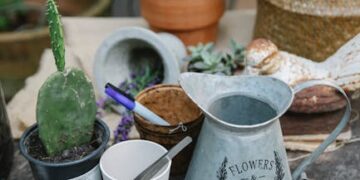
Succulents, cacti, and certain perennials such as Lavender and Russian Sage are known for their low water requirements.
How often should I water my garden?
Watering frequency depends on your specific climate, soil, and plant types. However, a general rule is to water deeply but infrequently to encourage strong root growth.
Final Thoughts
Embarking on your journey in resource-efficient gardening is not only rewarding for your table but also beneficial for the planet. By adopting these practices, you contribute to a sustainable future while enjoying the fruits (and vegetables) of your labor. Happy gardening!