




















The Ultimate Guide to Choosing the Right Indoor Plant Pots for Every Room
Bringing greenery inside your living space not only beautifies your home but also improves air quality and boosts your mood. However, selecting the perfect indoor plant pots is crucial as it impacts the plant’s health and the aesthetic of the room. This guide will help you navigate through various factors to consider when choosing plant pots, ensuring each room in your home is complemented perfectly.
Understanding the Importance of the Right Plant Pot
Choosing the right pot for your indoor plants is not merely about matching décor. The correct pot size, material, and design can significantly influence the health of your plants. Pots that are too small can restrict root growth, while those too large may lead to water logging, potentially causing root rot. Material choices such as clay, plastic, or metal also affect moisture retention and temperature control of the soil.
Factors to Consider When Selecting Plant Pots
Room Specific Requirements
Each room in your house has different environmental conditions and aesthetic needs. Here’s how to match plant pots to each room’s unique traits:
Living Room
Typically, living rooms require decorative pots that complement the existing décor. Choose statement pieces like large ceramic or stone pots that can accommodate bigger plants like Ficus or Monstera. These not only bring life to your living room but also become a focal point of your decor.
Kitchen
Kitchens benefit from small, practical pots as space is often limited. Opt for materials that can withstand high humidity levels, like stainless steel or waterproof ceramics. Herb gardens thrive in small, individual pots or elongated planters that fit well on windowsills or along countertops.
Bedroom
In bedrooms, the priority should be enhancing relaxation. Soften the space with rounded, matte finish pots and shades like pastels. Opt for pots with water reservoirs for plants like peace lilies or snake plants, which promote better air quality for a good night’s sleep.
Bathroom
Choose pots made from materials that handle high moisture and lower light. Plastic or glazed ceramic pots are ideal as they prevent moisture seepage. Compact, moisture-loving plants like ferns or orchids are well-suited for bathroom environments.
Size and Structure
Pot size should correspond to the size of your plant. Generally, the pot diameter should be an inch or two larger than the plant’s root base to allow growth. Consider pots with sufficient depth for plants with deep root systems. Ensure each pot has adequate drainage holes to prevent water accumulation.
Material Matters
The choice of material can affect a pot’s weight, breathability, and moisture retention. Here are the most common types:
Clay or Terracotta
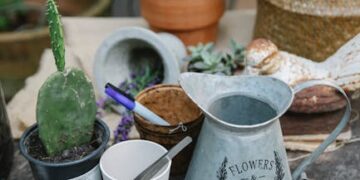
These materials are perfect for plants that prefer dry conditions, like succulents and cacti, because they are porous and allow air and water to move through them, preventing root rot.
Plastic
Lightweight and inexpensive, plastic pots are versatile and retain moisture well, making them suitable for moisture-loving plants. However, they can deteriorate under direct sunlight over time.
Metal
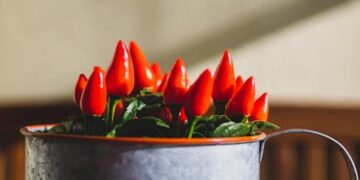
Metal pots are durable and offer a sleek look, but they can heat up quickly, which might not be ideal for all plants. Ensure they have an inner coating to prevent rusting.
Wood
Wooden pots provide excellent insulation for plant roots but can be prone to rot. Choose rot-resistant woods like cedar or teak and ensure they have a lining to preserve the wood.
Style Tips for Coordinate with Home Decor
Pots offer an excellent opportunity to express your style. For a minimalistic style, opt for clean lines and solid colors. For a boho-chic look, choose eclectic patterns and bright colors. Remember, grouping several plants in identical pots can unify a space, while using varied pots can add character and intrigue.
Frequently Asked Questions
How often should I repot my plants?
Generally, plants need to be repotted every 12-18 months, but fast-growing species may need more frequent repots. Signs that you need to repot include roots growing through the drainage holes, slowed growth, or water sitting on the top of the soil too long after watering.
Can I use pots without drainage holes?
Using pots without drainage holes is risky but possible. Consider adding a layer of pebbles at the bottom or using a pot-in-pot setup where the inner pot has drainage holes and the outer stylish pot does not.
Conclusion
Selecting the appropriate indoor plant pots for your home involves more than just picking a color or material; it’s about understanding the needs of both the plant and the room it resides in. By considering the factors discussed, you’ll be well on your way to creating beautiful and healthy environments in every corner of your home.