





















Unlocking the Secrets of Indoor Plant Growth: A Beginner’s Guide
Have you ever gazed at lush indoor plants in homes or offices and wondered how they achieve such vibrant growth? Cultivating indoor plants isn’t just about adding a touch of green to your space; it’s about understanding the science and art behind their growth. In this beginner-friendly guide, we will explore essential tips and techniques to empower you to grow healthy, thriving indoor plants.
Understanding Indoor Plant Basics
Benefits of Growing Indoor Plants
Indoor plants are more than just decorative elements. They play a crucial role in improving air quality by absorbing toxins and releasing oxygen. Studies have shown that they can also boost mood, reduce stress, and increase productivity, making them perfect companions for both homes and workplaces.
Choosing the Right Plants
Not all plants thrive indoors. When starting your indoor garden, it’s essential to select species that are well-suited to the conditions inside your home. Low-light favorites like the snake plant, pothos, and peace lily are excellent for beginners. These plants are not only beautiful but are also forgiving if you occasionally forget to water them.
Secrets to Promoting Healthy Growth
1. Proper Lighting
Light is a pivotal factor in plant growth. Most indoor plants require bright, indirect sunlight. Placing them near a window that gets ample morning light or soft afternoon rays can meet their needs without the harsh effects of midday sun. However, for spaces with low natural light, artificial grow lights can provide the necessary spectrum for plant growth.
2. Accurate Watering
Overwatering is one of the most common mistakes among new plant owners. To ensure you’re providing just the right amount, check the top inch of the soil with your finger. If it’s dry, it’s time to water. Each plant has unique needs, so adjusting your watering schedule to match its specific requirements is crucial.
3. Optimal Humidity and Temperature
Most indoor plants originate from tropical regions, making them accustomed to higher humidity and stable temperatures. You can increase humidity around your plants with a small humidifier, regular misting, or by placing water trays near them. Also, keep your plants away from heating and cooling vents to avoid extreme temperature fluctuations.
4. Right Soil Mix
Using the correct soil type is essential for the health of indoor plants. A well-draining, nutrient-rich potting mix is ideal. Some plants, like orchids, require a more specialized mix to thrive. Always ensure the pot has adequate drainage holes to prevent water from pooling at the bottom.
Common Challenges and Solutions
Pest Problems
Indoor plants can occasionally suffer from pests such as spider mites, aphids, or mealybugs. Regularly inspecting your plants for signs of infestation and addressing them promptly with natural remedies like neem oil or insecticidal soap can help keep your plants healthy.
Disease Management
Fungal diseases can arise due to poor air circulation or excessive moisture. Ensure your plants are not too crowded, and that air can freely circulate around them. Also, avoid wetting the foliage unnecessarily, especially in less ventilated spaces.
Tips for Flourishing Indoor Gardens
Regular Feeding
Feeding your plants with the right fertilizer can make a significant difference. Opt for a balanced, water-soluble fertilizer that is specifically designed for indoor plants. Follow the recommended feeding schedule, usually during the growing season, to avoid nutrient burn or deficiency.
Pruning and Maintenance
Regular pruning helps keep plants healthy. Removing dead or yellowing leaves allows the plant to focus its energy on new growth. It also helps in shaping the plant aesthetically, keeping it lush and attractive.
Repotting for Growth
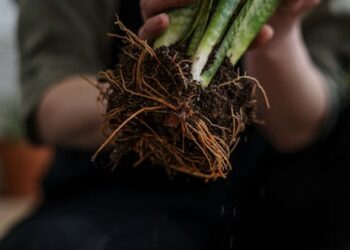
As plants grow, they may outgrow their pots. Repotting into a larger pot helps prevent root crowding and ensures your plant has enough room to continue growing. This is typically needed every 1-2 years, depending on the plant’s growth rate.
Final Thoughts
Empowering yourself with the knowledge of indoor plant care can transform your initial attempts into a thriving green nook. Remember, every plant has its own personality and preferences. Being observant and responsive to your plants’ needs will help you cultivate a thriving indoor garden that brings life and joy into your home or office.