
























Sustainable Gardening: The Key to Eco-Friendly Living
Amidst increasing environmental concerns and the push towards a sustainable lifestyle, gardening emerges not just as a hobby but as a transformative tool for eco-friendly living. Sustainable gardening involves practices that conserve resources, reduce waste, and maintain natural ecological balances. Let’s explore what makes gardening an essential pillar of sustainability and how you can cultivate your green thumb while caring for the Earth.
Understanding Sustainable Gardening
Sustainable gardening employs techniques that support a natural and organic approach to growing plants. This method focuses on reducing the environmental impact of gardening activities while promoting biodiversity and conserving natural resources.
The Core Principles of Sustainable Gardening
- Organic Practices: Avoiding chemical pesticides and fertilizers that can harm the environment.
- Water Conservation: Implementing irrigation methods that reduce water use and waste.
- Composting: Recycling kitchen and yard waste into compost to enrich the soil naturally.
- Native Planting: Choosing local species that are better adapted to the environment and require less water and care.
Benefits of Sustainable Gardening
Sustainable gardening offers numerous benefits not only for our gardens but also for the broader environment and our wellbeing:
Environmental Impact
By adhering to sustainable practices, gardeners can significantly reduce their carbon footprint. Using non-toxic materials helps keep the air, water, and soil free of chemical pollutants, while organic waste composting returns nutrients to the soil, reducing the need for synthetic fertilizers and improving soil health.
Water Conservation
Gardens are often water-intensive, but sustainable gardening techniques, such as drip irrigation and rainwater harvesting, greatly reduce this demand. Conserving water is not only good for the planet but also reduces your utility bills and ensures your garden can thrive even in times of water shortage.
Supporting Wildlife
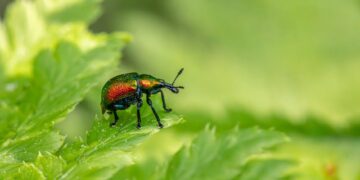
When you choose native plants for your garden, you provide a natural habitat for local wildlife. Birds, butterflies, bees, and other beneficial insects are essential for pollination and controlling pest populations naturally.
How to Start a Sustainable Garden
Transforming your gardening habits into sustainable practices is simpler than you might think. Here are key steps to help you begin:
Select the Right Location
First, observe the sun and wind patterns in your yard to find the best spot for your garden. A location that receives at least six hours of sunlight daily is ideal for most plants.
Soil Preparation
Healthy soil is crucial for a productive garden. Start by enriching your soil with compost and other organic matter. Not only does this improve soil fertility, but it also enhances its ability to retain water and nutrients.
Opt for Native Plants
Native plants usually require less water, fertilizer, and pest control than non-natives. Talk to your local gardening center or cooperative extension service to find out which plants are best suited for your area.
Water Wisely
Instead of daily light sprinkling, water deeply and less frequently to encourage deep root growth. Early morning watering reduces evaporation and helps prevent fungal diseases.
Make Your Own Compost
Composting is a cornerstone of sustainable gardening. By composting organic waste, you create rich soil that can dramatically reduce the need for chemical fertilizers. Your compost pile can include leaves, grass clippings, fruit scraps, and even coffee grounds.
Common Questions About Sustainable Gardening
Many budding gardeners have questions about how to effectively engage in sustainable practices:
Is sustainable gardening cost-effective?
Yes, it generally is. Though there may be some initial investments such as buying compost bins or setting up a rainwater collection system, the reduction in the use of water, fertilizers, and pesticides quickly pays off.
Can I use sustainable gardening practices in a small space?
Absolutely! Even balcony or window gardens can be made more sustainable by using potting mixes with natural fertilizers, choosing drought-resistant plants, or using water-efficient containers.
Inspiring Sustainable Gardening Projects
Illustrating sustainable gardening through examples can provide practical inspiration and ideas:
Butterfly Garden
Creating a butterfly garden involves planting native flowering plants that attract butterflies. This type of garden promotes biodiversity and adds beauty to your landscape.
Edible Schoolyard Project
Initiatives like the Edible Schoolyard involve students in the creation of an organic garden that provides fresh produce for their meals while teaching them valuable environmental and nutritional lessons.
Conclusion
Sustainable gardening is more than a method—it’s a movement towards an eco-conscious way of living that benefits us, our communities, and the entire planet. By making small adjustments to our gardening practices, we can significantly impact our environmental footprint. Let’s nurture our planet by choosing to garden sustainably.