


























Top Tips for Indoor Plant Maintenance: Enhance Your Home’s Air Quality
Indoor plants not only beautify your living spaces but also play a significant role in enhancing the air quality of your home. With the right maintenance and care, these green companions can help remove pollutants and improve indoor air, contributing to a healthier living environment. Whether you’re a seasoned plant parent or a novice, understanding how to properly care for your indoor plants is essential. This guide will walk you through practical and effective tips to keep your plants thriving and your air cleaner.
Understanding the Basics: Light, Water, and Soil Needs
Light Requirements for Healthy Growth
Light is a crucial factor for plant health. Most indoor plants require bright, indirect light. Place plants near windows that receive ample sunlight but avoid direct sun exposure that can scorch their leaves. For darker corners, consider low-light plants like snake plants or use grow lights to supplement the lack of natural sunlight.
Watering: Finding the Right Balance
Overwatering is one of the most common mistakes plant owners make. It’s essential to understand the watering needs of each plant, as these can vary significantly. A general rule is to check the top inch of soil; if it feels dry, it’s time to water. Ensure pots have drainage holes to prevent excess water from sitting at the roots, which can lead to root rot.
Choosing the Right Soil
Another key factor in plant health is soil quality. Use a potting mix that is suitable for the type of plant you are growing. Most indoor plants thrive in a well-draining, nutrient-rich soil that allows roots to breathe and grow freely. Avoid using garden soil as it can be too dense and may contain pathogens harmful to indoor plants.
Improving Air Quality with Specific Plants
Top Plants for Air Purification
Several studies, including NASA’s Clean Air Study, suggest that certain indoor plants can remove toxins such as benzene, formaldehyde, and trichloroethylene from the air. Examples include:
- Spider Plant: Very easy to maintain and effective at combating pollutants like benzene and xylene.
- Peace Lily: Not only visually appealing with its white blooms but also a powerhouse in removing ammonia, benzene, and formaldehyde from indoor air.
- Bamboo Palm: Known for its ability to filter out benzene and trichloroethylene, it is perfect for placing in living areas or near furniture that may off-gas chemicals.
By incorporating these plants into your home, you can significantly improve the quality of your indoor air while adding a touch of nature to your decor.
Regular Maintenance: Pruning, Repotting, and Cleaning
Pruning: Keeping Plants in Shape
Pruning isn’t just about aesthetic management; it’s essential for the health of your plants. Removing dead or overgrown foliage helps prevent disease and pests, and stimulates new growth. Always use clean, sharp scissors or pruning shears to make clean cuts.
Repotting for Growth and Health
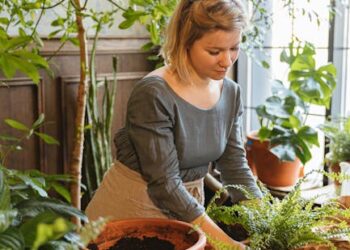
Plants grow, and their roots eventually run out of space. Generally, repotting should be done every one to two years to ensure that your plants have enough room to grow and sufficient nutrients. Choose a new pot that is slightly larger than the old one, and provide fresh potting mix to give your plant a new lease on life.
Cleaning Leaves for Better Light Absorption
Dust and dirt can accumulate on leaves, blocking sunlight and reducing the plant’s ability to photosynthesize effectively. Gently wipe down leaves with a soft, damp cloth or give plants a lukewarm shower to remove dust. This not only helps plants breathe better but also keeps them looking their best.
Frequently Asked Questions About Indoor Plants
How often should I fertilize my indoor plants?
Fertilization needs depend on the type of plant and the season. Most indoor plants benefit from fertilization during the growing season (spring and summer), and it’s usually sufficient to fertilize them every 4-6 weeks. In fall and winter, plants require less fertilizer or none at all.
Can indoor plants really help with stress?
Yes, studies show that having plants in indoor spaces can reduce stress and increase feelings of well-being. Plants not only improve air quality but also have calming effects on the mind and body, making them perfect additions to homes and workplaces alike.
Do all indoor plants improve air quality?
While all plants have some level of air-purifying ability due to their natural processes of photosynthesis and respiration, certain plants are more effective than others in removing specific toxins from the air.
Conclusion
Maintaining indoor plants may seem daunting at first, but with a bit of knowledge and the right care, you can greatly enhance both the greenery of your space and the quality of your home’s air. Start with simple, hardy plants and gradually expand your indoor garden. Transform your home into a lush, healthy haven that not only looks stunning but also fosters a cleaner, more rejuvenating atmosphere.