





















Unlocking Affordable Natural Garden Pest Control Solutions: A Guide for Every Gardener
Gardening is a rewarding activity that offers a myriad of benefits, from the joy of watching plants grow to the pleasure of harvesting your own produce. However, like all good things, it comes with its challenges, notably, pests. These uninvited guests can turn your gardening dreams into nightmares. Let’s explore effective, affordable natural solutions to keep these pests at bay, ensuring your garden thrives.
Understanding Garden Pests and Natural Control
Before diving into specific solutions, it’s crucial to understand what attracts pests to your garden. Factors include the type of plants, the local climate, and the care you provide to your garden. Pests are not just insects; they also include small mammals and birds that might find your garden a bountiful feast. Natural pest control involves using non-chemical methods to deter or eliminate these pests, preserving your garden’s health and the environment.
Common Garden Pests
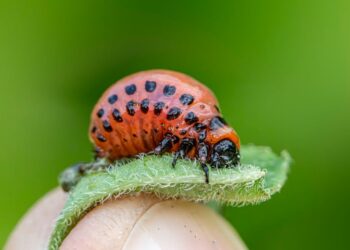
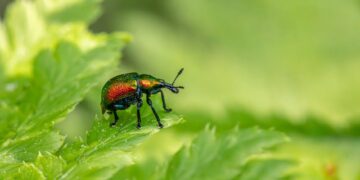
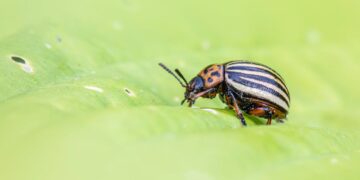
Some usual suspects include aphids, slugs, caterpillars, beetles, and mites. Each has unique characteristics and impacts on your garden.
DIY Solutions: Safe and Effective Control Methods
There are numerous do-it-yourself recipes and methods that can help you maintain a healthy garden without breaking the bank or harming the ecosystem. Here are some proven and practical solutions:
Neem Oil – A Powerful All-Rounder
Neem oil, derived from the neem tree seeds, is a versatile natural pesticide. It works as an insect repellent, feeding deterrent, and growth regulator, affecting over 200 species of insects. To use, mix a few drops of neem oil with water and a mild soap, then spray on the affected plants. It is safe for beneficial insects like bees and butterflies when used correctly.
Garlic Spray – Natural and Nourishing
Garlic isn’t just for warding off vampires but pests too! Its strong scent makes an excellent natural repellent. Crush a few cloves of garlic, mix them with water, and let it steep overnight. Strain and spray the mixture on plant surfaces. This method is particularly effective against aphids and can also boost plant health.
Companion Planting – The Art of Harmony
Plants, like people, thrive in good company. Companion planting involves growing certain plants together that mutually benefit each other, either by deterring pests or enhancing each other’s growth. For instance, marigolds emit a smell that repels many garden pests, and planting them around your garden can protect more susceptible plants.
Physical and Biological Controls
Aside from concoctions you can mix up at home, there are other effective strategies for controlling pests naturally.
Barriers and Traps
Physical barriers such as nets or floating row covers can protect your plants from birds and insects without using any chemicals. Similarly, traps like pheromone traps or sticky traps can capture and reduce the population of pests like moths and flies.
Biological Warfare: Beneficial Bugs
Introducing beneficial insects into your garden, such as ladybugs and predatory mites, can help control pests naturally. These allies will prey on harmful pests, keeping their populations in check. This method not only is sustainable but also fascinating, turning your garden into a natural ecosystem.
Preventive Measures: Best Practices
Prevention is often better than cure. Here are some tips to prevent pests from taking over your garden in the first place:
Regular Maintenance
Keep your garden clean and tidy. Regularly remove dead leaves and debris, which can harbor pests. Ensure your plants are healthy; stressed plants are more susceptible to pest attacks.
Proper Watering Techniques
Overwatering or under-watering can both attract pests and weaken your plants. Make sure you water appropriately based on the needs of each plant.
Conclusion: Building a Healthy, Pest-Free Garden
Gardening is as much about problem-solving as it is about cultivation. Using these affordable and effective natural pest control methods can help ensure that pests do not compromise the health and beauty of your garden. Remember, every garden is unique, so what works best may vary. Be willing to experiment and observe what works best for your particular situation. Happy gardening!