

























Unlock the Secrets of Organic Garden Pest Control: Safe and Natural Methods
Gardening is a beloved hobby for many and a source of fresh produce for others. Yet, the joy of gardening can often be dampened by the appearance of unwelcome pests. Resorting to chemical pesticides not only harms the environment but also affects the health of the plants, soil, and garden biodiversity. In this comprehensive guide, we will delve into the world of organic garden pest control, providing you with safe and natural methods to keep your garden thriving and healthy.
Understanding Garden Pests
Common Types of Pests in Gardens
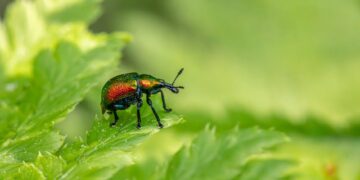
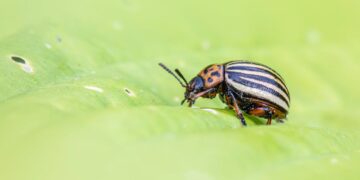
Before you can effectively control pests, it’s essential to identify which ones are invading your garden. Some of the most common garden culprits include aphids, caterpillars, slugs, and snails. Each pest has its preferences for plants and unique behaviors, knowing which can help in choosing the most effective control method.
Why Pests Are Attracted to Your Garden
Pests come in search of food, shelter, and breeding grounds. If your garden provides these in abundance, it will likely attract various pests. Overly moist environments, excessive mulch, and dense plantings can create ideal homes for pests. Additionally, using too much fertilizer can make plants more appealing and vulnerable to pests.
Natural Strategies for Pest Control
Physical and Mechanical Methods
One of the first lines of defense against garden pests involves physical barriers and manual removal. Here are a few techniques:
- Row Covers: Lightweight fabrics that can be draped over plants, protecting them from insects and small animals while still letting light and water through.
- Hand Picking: This method can be very effective for larger pests like caterpillars and beetles. Regularly inspect your plants and simply remove pests by hand.
- Water Sprays: A strong jet of water can help knock pests like aphids off of plants. Be sure to check under leaves where pests often hide.
Biological Control Methods
Introducing natural predators into your garden can be an excellent way to control pest populations:
- Ladybugs: These are natural enemies of aphids and can consume up to 50 a day. Available commercially, they can be introduced directly into your garden.
- Praying Mantis: These insects are generalist predators and can eat a variety of pests.
Natural Insecticides and Repellents
When other methods are not enough, natural insecticides and repellents can be used:
- Neem Oil: Extracted from the seeds of the neem tree, it acts as an insect repellent, feeding inhibitor, and growth regulator. It’s safe for use on vegetables and is biodegradable.
- Diatomaceous Earth: Made from the fossilized remains of tiny aquatic organisms, it causes insects to dry out and die. It’s effective against slugs, ants, and more.
Preventive Practices
Cultural Control
Modifying the environment so it’s less attractive to pests is a cornerstone of organic pest management:
- Crop Rotation: Changing what you plant can prevent pests that feed on specific plants from becoming established.
- Healthy Soil: Rich, well-aerated, and nutrient-balanced soil helps grow strong plants that are less susceptible to pests.
Companion Planting
Planting certain plants together can help deter pests. For example:
- Marigolds: Known to repel nematodes and other insects, planting them around your garden can protect vegetables.
- Garlic: Its strong scent is said to deter pests such as aphids.
Attracting Beneficial Insects
Creating a habitat that attracts beneficial insects can naturally reduce pest populations:
- Flowering Plants: Plants like lavender and sunflower will attract beneficial insects that prey on pests.
- Insect Hotels: Provide nesting sites for beneficial insects by setting up bamboo tubes and wood blocks.
Summing Up the Benefits of Organic Pest Control
Adopting natural pest control methods not only helps keep your garden healthy but also protects the local wildlife and ecosystem. By following these safe and effective strategies, you can enjoy a bountiful, beautiful garden while maintaining a clean, green, and sustainable environment.
Remember, the key to successful organic pest control lies in understanding, prevention, and a combination of tactics complimenting each other. Patience and persistence will lead to a rewarding and flourishing garden!