























Organic Methods for Preventing Weeds and Pests in Vegetable Gardens: A Natural Approach
Integrating organic gardening practices into your vegetable garden is not only an environmentally conscious decision but also a practical strategy to promote healthier plants and produce. By understanding and implementing natural methods for preventing weeds and pests, you can maintain a vigorous garden without relying on harsh chemicals. This guide will explore effective organic techniques suited for beginner and seasoned gardeners alike, helping you to nurture a thriving, sustainable vegetable garden.
Understanding the Basics: Why Go Organic?
Before diving into specific organic strategies, it’s crucial to grasp why an organic approach benefits your garden. Organic gardening focuses on cultivating an ecosystem that works harmoniously with nature. This method limits synthetic inputs like pesticides and fertilizers, which can disrupt local wildlife and soil health. Instead, organic gardening emphasizes natural growth processes, which can lead to a more resilient garden ecosystem able to fend off pests and suppress weed growth naturally.
The Role of Healthy Soil
Healthy soil is the foundation of any successful garden. Rich in nutrients and microorganisms, it supports plant health and helps resist pests and diseases. Organic compost, made from kitchen scraps and garden waste, can enrich your soil. Regularly adding organic matter improves soil structure, water retention, and nutrient content, establishing a strong base for your plants.
Organic Weed Prevention Strategies
Weeds can be more than just a nuisance; they compete with your vegetables for space, light, and nutrients. Here are effective ways to control weeds in your garden organically:
Mulching
Mulching involves covering the soil around your plants with materials like straw, wood chips, or leaves. This layer blocks light from reaching the soil, preventing weed seeds from germinating while retaining moisture for your plants. As a bonus, organic mulches decompose over time, adding valuable organic matter back into the soil.
Dense Planting
Planting your vegetables close together can minimize space for weeds to grow. This method, known as “close planting” or “intensive planting,” reduces weed growth by shading out the soil between plants, creating a natural barrier against weed establishment.
Tilling with Care
While minimal tilling can be beneficial for aerating the soil and incorporating amendments, excessive tilling can bring dormant weed seeds to the surface and disrupt soil structure. Focus on gentle, minimal tilling techniques to avoid unnecessary weed growth and soil disruption.
Natural Pest Control Tactics
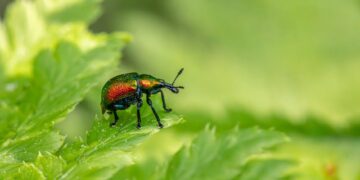
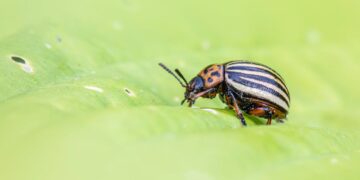
Pests, if unchecked, can devastate a vegetable garden. However, harsh chemical pesticides can have undesirable effects, such as harming beneficial insects that help control pest populations. Here are natural methods to manage pests effectively:
Companion Planting
Companion planting involves strategically placing plants that benefit each other near one another. For instance, marigolds emit a natural aroma that repels certain pests, thereby protecting neighboring vegetables. Similarly, planting garlic near tomatoes can help deter red spider mites.
Natural Predators
Encouraging natural predators like ladybugs, lacewings, and birds into your garden can naturally reduce pest populations. You can attract these beneficial predators by planting a variety of plants that provide nectar and pollen, and by setting up bird feeders or birdhouses.
DIY Pesticides
For targeted pest control, consider making your own natural pesticides. A popular homemade pesticide recipe involves mixing neem oil with water and a small amount of mild soap. Sprayed onto affected plants, this mixture can deter a variety of pests while being gentle on the plants and environment.
Frequently Asked Questions
Are organic methods as effective as chemical treatments?
While the effects of organic methods might be slower to manifest, they provide longer-term benefits to garden health, including improved soil fertility and natural pest resistance. The key is consistency and integrating multiple approaches to support a healthy garden ecosystem.
How often should I apply organic mulches?
Organic mulches should be replenished as they decompose. Generally, adding a new layer once or twice a year is sufficient to maintain their benefits.
Can I use any type of organic material for compost?
While many organic materials are suitable for compost, avoid adding meat, dairy, or oily foods, which can attract pests and are slower to decompose. Stick to plant-based scraps, eggshells, and similar materials for best results.
Conclusion
Adopting organic methods for weed and pest control in your vegetable garden requires patience and persistence but results in a robust, sustainable garden ecosystem. By focusing on building healthy soil, using natural weed suppressants, and encouraging beneficial wildlife, you can create a thriving vegetable garden that is both productive and environmentally friendly. Experiment with the techniques highlighted in this guide and discover the most effective combinations for your unique garden conditions.