




























Low-Impact Gardening Techniques for Urban Spaces: Create Your Eco-Friendly Oasis
Gardening enthusiasts who reside in bustling urban areas often face challenges related to space and environmental constraints. Creating a lush, vibrant garden in the heart of a city might seem like a distant dream. However, with the right techniques and a dash of creativity, anyone can transform even the tiniest of spaces into a green sanctuary. In this guide, we’ll explore various low-impact gardening techniques perfect for urban environments, designed to help you cultivate your own eco-friendly oasis.
Understanding Low-Impact Gardening
Low-impact gardening aims to reduce environmental impact through thoughtful practices that conserve resources and promote a healthy ecosystem right in your living space. It encompasses everything from selecting appropriate plants to managing waste efficiently. Let’s dive into how you can implement these principles in your own urban garden.
Selecting the Right Plants
Choosing plants that are well-suited to your local climate and urban conditions is the first step toward a successful low-impact garden. Opt for native species, as these require less water, fewer pesticides, and minimal care compared to exotic plants. Furthermore, natives promote local wildlife and help maintain the regional ecological balance. Adding a diverse mix of perennials, annuals, and shrubs can not only beautify your space but also support a thriving urban biodiversity.
Efficient Water Management
Water is a precious commodity, especially in densely populated cities. Implementing water-wise strategies is crucial. Consider setting up a rainwater harvesting system to reduce reliance on municipal water sources. Use watering cans or drip irrigation systems to apply water directly to the plant roots where it’s needed most, minimizing wastage. Choosing plants with similar water needs in close proximity can further optimize your water usage.
Designing Your Urban Garden
Design is key in transforming limited urban spaces into functional and sustainable gardens. Here’s how to plan your space efficiently:
Vertical Gardening
When horizontal space is scarce, go vertical! Utilize walls, fences, and railings for hanging planters or installing vertical garden panels. This not only saves space but also adds a touch of nature to otherwise sterile urban environments. Climbing plants such as ivy, jasmine, or even tomato vines are perfect for these setups.
Container Gardening
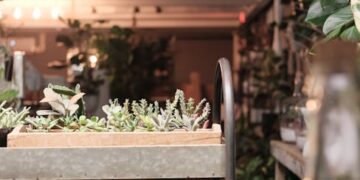
Containers are incredibly versatile for city dwellers. They can be moved around easily, which is perfect for adjusting plant positions based on sunlight availability throughout the day. Use recycled containers such as old buckets, wooden crates, or even upcycled furniture to add a unique charm to your garden.
Maintaining Your Urban Oasis
Maintenance is vital in keeping your garden healthy and thriving. Here are some effective, low-impact maintenance techniques:
Composting
Create your own nutrient-rich compost using kitchen scraps and garden waste. This not only helps reduce garbage output but also provides your plants with essential nutrients they need to grow. Even in small spaces, compact compost bins can effectively turn waste into treasure without any foul smells.
Integrated Pest Management (IPM)
Avoid chemical pesticides that harm the environment. Instead, opt for integrated pest management practices. Attract beneficial insects by planting marigolds or lavender, use neem oil extracts, or create barriers with diatomaceous earth. These methods are not only eco-friendly but also safeguard your health and the health of your garden.
Benefits of Urban Gardening
Embracing urban gardening offers myriad benefits beyond the aesthetic pleasure of having a green space:
Improves Air Quality
Plants absorb carbon dioxide and release oxygen through the process of photosynthesis, naturally purifying the air around you. This is particularly beneficial in urban settings where air quality might be compromised.
Reduces Carbon Footprint
By growing your own vegetables and herbs, you decrease the need for store-bought produce, which often involves significant carbon emissions due to transportation and packaging processes. A garden right at your doorstep cuts down these impacts dramatically.
Enhances Mental Well-being
Numerous studies show that gardening can significantly reduce stress, anxiety, and depression. The act of caring for plants and watching them grow can offer a peaceful escape from the hustle and bustle of urban life.
Conclusion: Start Your Urban Gardening Journey Today
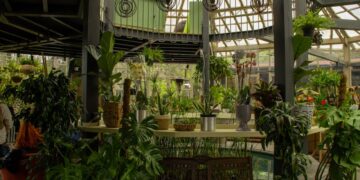
Whether you have a small balcony, a rooftop, or even just a windowsill, low-impact gardening techniques can help you create a sustainable and enchanting urban oasis. Start small, perhaps with a few containers or a mini herb garden. Over time, as you gain confidence and experience, expand your garden and experiment with different plants and layouts. Not only will you enhance your living space, but you’ll also contribute positively to the urban ecosystem.
Remember, every plant you grow not only adds beauty and life to your corner of the world but also plays a role in creating a healthier, more sustainable environment. So, grab your gardening tools and start transforming that urban space into your personal eco-friendly oasis today!