























Revolutionary Tips for Plant Pest Control: Boost Your Plant Health
Plant lovers understand the frustration of finding unwanted guests among their greenery. Pests can quickly turn a thriving garden into a wilting disaster if not managed properly. However, with innovative and sustainable pest control methods, your plants can thrive without the need for harsh chemicals. Get ready to dive into a world of effective strategies that will ensure healthy plants and a vibrant garden!
The Importance of Healthy Plants
Before diving into pest control, let’s clarify why maintaining plant health is crucial. Healthy plants are not just about aesthetic appeal; they reflect a balanced ecosystem in your garden. They contribute to cleaner air, provide habitats for beneficial insects, and enhance your living space’s overall well-being. Understanding this can motivate any gardener to adopt more dedicated practices in dealing with plant pests.
Identifying Common Plant Pests
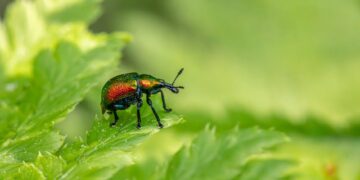
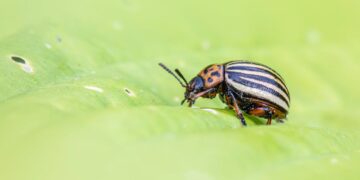
Successful pest control starts with proper identification. Common culprits include aphids, spider mites, whiteflies, and scale insects. Each pest has a unique mode of attack, which can range from sucking sap to chewing leaves. Observing the damage and the type of pests can guide you in choosing the best control method. Don’t hesitate to use resources like online databases or consult with local garden experts to accurately identify the pests plaguing your plants.
Tip: Regular Monitoring
Make it a routine to inspect your plants a few times a week. Early detection is key in preventing a full-blown infestation, making it easier to manage with less aggressive treatments.
Innovative Non-Chemical Methods for Pest Control
Moving away from traditional pesticides brings forth innovative, environmentally friendly methods that ensure your plants stay healthy and pest-free.
Biological Control
Introducing natural predators into your garden is a fascinating way to combat pests. Ladybugs devour aphids, and praying mantises can handle larger pests. This method is sustainable and reduces the garden’s ecological footprint by keeping pesticide use at bay.
Physical Barriers and Traps
Physical barriers, such as netting or floating row covers, can protect plants from pests. Sticky traps colored yellow attract and capture whiteflies and other flying insects. These methods prevent pests from reaching your plants without using harmful chemicals.
Companion Planting
The strategic placement of certain plants can naturally repel specific pests. For example, planting garlic near roses can deter aphids; marigolds scattered throughout the garden can ward off nematodes. Companion planting also promotes biodiversity, which is beneficial for the garden’s health as a whole.
DIY Organic Solutions
For those who prefer a hands-on approach, DIY organic pest controls are effective and easy to prepare. Below are a few recipes and tips to try:
Neem Oil Spray
Neem oil acts as an all-purpose insecticide, mitigating pests at various lifecycle stages. Mix a couple of teaspoons of neem oil with a quart of water and a few drops of dish soap to help it adhere to leaves. Spray it directly on the affected areas of your plants.
Garlic or Chili Pepper Spray
These pungent options can deter a variety of insects. Blend a few cloves of garlic or several hot chilies with water, strain, and spray onto plant foliage. Reapply after rain or as needed for continued protection.
It’s essential to test any homemade spray on a small area first, as some plants might be sensitive to the ingredients.
Advanced Pest Control Techniques
For severe infestations or specific tricky pests, advanced techniques might be necessary:
Soil Solarization
This process involves using the sun’s heat to sterilize soil. By covering soil with a clear plastic tarp during the hottest weeks, you can kill off soil-borne pests and diseases, effectively resetting the soil’s health.
Electromagnetic and Ultrasonic Devices
These devices emit frequencies that are unpleasant to pests. They can be used to protect larger areas without the need for constant manual intervention, although their effectiveness can vary.
Integrating Pest Management into Garden Maintenance
Regular pest management should be an integral part of your garden routine. The key is consistency and adaptation to seasonal changes that might bring different pests. Keeping detailed records of what works and what doesn’t can also help refine your strategy over time.
Conclusion: A Healthier Garden Awaits
By embracing these revolutionary plant pest control tips, you can look forward to a healthier garden. Remember, the goal is not to eliminate all insects but to manage them in a way that maintains balance in your ecosystem. With innovation, observation, and a bit of effort, your green haven will thrive, becoming a beacon of sustainability and beauty.