
























Sustainable Methods for Plant Pest Control: Safe Solutions for Your Garden
For garden enthusiasts, confronting the challenge of pests is akin to playing a gentle game of chess with nature. It’s about strategic moves, eco-friendly tactics, and ultimately establishing a balanced environment where plants can thrive safely. In today’s eco-conscious world, sustainable methods for handling garden pests have gained substantial traction. These methods not only safeguard our plants but also contribute to the ecological balance, promoting a healthier garden habitat.
Understanding Garden Pests: The Root of the Issue
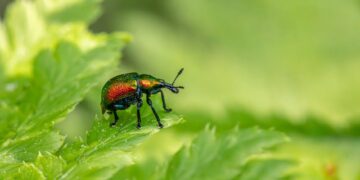
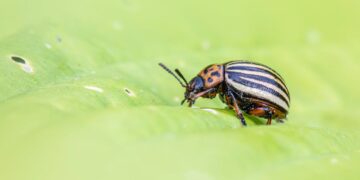
Garden pests, ranging from tiny aphids to voracious slugs, pose significant challenges for gardeners. Their presence can stymie plant growth, hamper fruit and flower production, and in severe cases, lead to plant death. However, it’s crucial to understand that not all insects or small animals are detrimental. Identifying which creatures are truly pests and learning about their habits and life cycles can significantly aid in their management.
Introduction to Sustainable Pest Control
Sustainable pest control is all about using methods that are safe for the environment, the plants, and the humans who nurture them. This approach leans heavily on natural remedies and biological controls, steering clear of synthetic chemicals harmful to the ecosystem.
Physical and Cultural Controls
This first line of sustainable defense involves changing the environmental conditions to make them less hospitable to pests. Examples include:
- Rotating Crops: Changing what you plant in various spots of your garden each year can prevent the buildup of pest populations that favor specific plants.
- Healthy Soil Practices: Incorporating compost, avoiding overwatering, and proper spacing between plants enhances plant health and resistance to pests.
- Mulching: A thick layer of organic mulch can deter some pests and even provide a habitat for beneficial insects.
Biological Controls
Encouraging beneficial insects or using microorganisms that prey on or parasitize pests can drastically reduce your garden’s pest population. Ladybugs, nematodes, and lacewings are all excellent allies in keeping pest numbers down. Products like Bacillus thuringiensis (Bt) can also be used to control caterpillar populations without affecting other insects.
Natural Repellents and Barriers
Natural plant-based repellents, such as garlic and pepper sprays, can deter pests. Physical barriers, like netting or row covers, provide a shield against flying and crawling insects. Similarly, planting pest-repelling plants like marigolds or basil among your vegetables can help keep pests at bay through natural aromas.
Case Studies and Practical Examples
Consider the case of a community garden that successfully transitioned to sustainable pest control. By introducing specific plants that attract pollinators and pest predators, they were able to enhance plant health and yield. Another practical example could be a gardener who used crop rotation and experienced a noticeable reduction in soil-borne diseases and insect infestations.
Frequently Asked Questions
What are the best plants to deter garden pests?
Certain plants naturally repel pests. For example, marigolds repel nematodes and tomato hornworms, while garlic can deter aphids and beetles. Integrating these plants into your garden not only adds variety but also fortifies your pest management strategy.
Are natural insecticides safe for all insects and animals?
Natural insecticides are generally safer than synthetic chemicals, but they can still be harmful if not used correctly. Always follow application instructions carefully and target only affected areas to minimize impacts on non-target insects and animals.
Steps to Implement Sustainable Pest Control in Your Garden
Starting a sustainable pest control regimen in your garden involves a few key steps:
- Identify Pests: Correctly identifying pests is crucial. Take a sample to a local garden center if unsure.
- Choose the Right Control Methods: Depending on the pest, decide between cultural, physical, and biological controls.
- Monitor and Adjust: Keep an eye on your garden. Sometimes, strategies may need adjustments or combinations.
- Educate Yourself: The more you know about pest life cycles and behaviors, the better you can prevent and control outbreaks.
Conclusion: Building a Healthier Garden
Embracing sustainable pest control methods leads not only to a healthier garden but also a more vibrant ecosystem within your garden’s confines. By adopting these strategies, you’re not just eliminating pests; you’re enhancing the resilience and productivity of your garden. Sustainable pest control is a testament to the fact that working with nature, rather than against it, yields the most fruitful results.
Happy gardening!