
























Seasonal Garden Pest Management Tips: Your Ultimate Guide for a Healthy Backyard
Whether you’re a seasoned gardener or just starting to dip your fingers into the soil, managing pests is a crucial aspect of gardening that can determine the overall health and productivity of your backyard. Each season brings its own challenges with different pests ready to feast on your plants. This guide provides you with effective strategies to manage these pests throughout the year, ensuring your garden remains vibrant and thriving.
Understanding Seasonal Pests
Before diving into management techniques, it’s key to recognize that different pests dominate different seasons, and their management strategies vary accordingly.
Spring: Awakening with the Pests
In spring, as your plants start to blossom, so too do various insects and critters wake from their winter dormancy. Aphids, caterpillars, and slugs begin to make their appearances. Monitoring and early detection during this season can prevent larger infestations later.
Summer: The Peak of Pest Activity
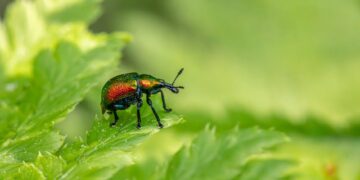
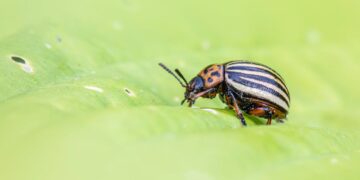
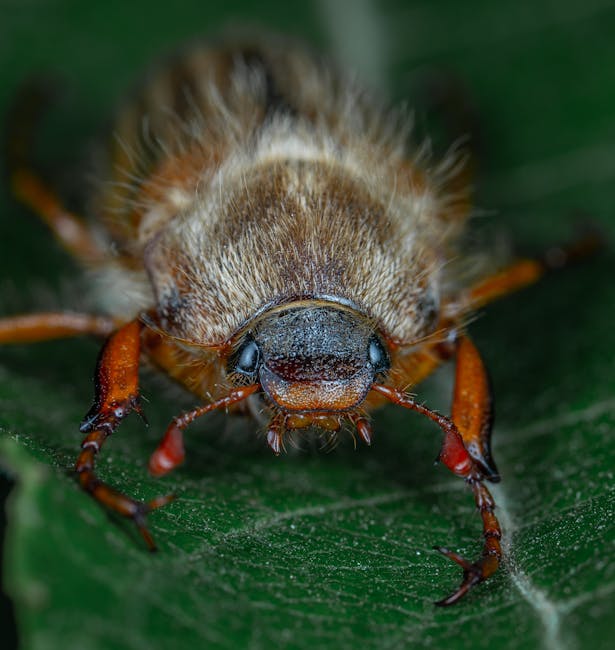
Summer heat brings with it an explosion of pest populations. Common culprits include spider mites, ants, and various beetle species. These pests can be particularly voracious, requiring diligent attention and action to protect your plants.
Fall: Preparing for Overwintering
While the declining temperatures of fall may slow down many pests, others may start to seek shelter, potentially laying eggs. Snails, and moths like the cabbage moth, can be troublesome as they prepare for winter.
Winter: Dormancy and Indoor Pests
Though many outdoor pests are dormant, indoor gardens must watch out for pests like spider mites and whiteflies, which thrive in the stable conditions of home environments.
Seasonal Pest Management Strategies
Spring Strategies: Prevention and Early Intervention
Early spring is all about prevention. Regularly inspecting your plants for small pests and signs of egg-laying can save you a lot of trouble down the line. Introducing natural predators, such as ladybugs to combat aphids, can be an effective organic method. Also, consider using row covers to physically shield young plants from pests.
Summer Strategies: Vigilance and Response
As temperatures rise, so does the intensity of pest management. Regular watering and feeding can help plants withstand the stress of infestations. Introduce beneficial nematodes or apply neem oil as organic solutions to keep pest numbers in check. For severe infestations, targeted organic pesticides can be used carefully according to the manufacturer’s instructions.
Fall Strategies: Clean-Up and Preparation
Preventing pests from overwintering can greatly reduce their numbers in the spring. Clear away debris and dead plants which can harbor pests or their eggs. Applying mulch can help protect your soil without offering pests an easy shelter.
Winter Strategies: Indoor Vigilance and Planning
Keep an eye on any houseplants or indoor greenspaces. Isolation and treatment of infested plants can prevent spread to healthy ones. This is also a great time to plan your pest management strategy for the upcoming seasons, considering what worked and what didn’t from the previous year.
Common Questions about Garden Pest Management
When should I start worrying about pests in my garden?
Begin monitoring your garden for pests as soon as you start planting. Being proactive is often the key to preventing an unmanageable infestation.
Are chemical pesticides the only effective method?
No, there are many organic and natural methods to manage pests effectively. Chemical pesticides should be a last resort due to their potential effects on the environment and non-target species.
Can I manage pests entirely organically?
Yes, there are many effective organic methods, including biological control with predators, barriers, traps, and organic pesticides like neem oil and diatomaceous earth.
Conclusion: Keeping Your Garden Healthy All Year Round
Managing garden pests throughout the year involves understanding their seasonal behaviors and being ready with appropriate management strategies. By staying vigilant and employing a combination of organic methods and conventional products responsibly, you can enjoy a healthy and productive backyard. Happy gardening!