

























Unlocking Easy Garden Pest Prevention Strategies: A Simple Guide
Maintaining a healthy garden is a rewarding activity that can provide you not only with beautiful flowers and lush foliage but also with fresh vegetables and fruits. However, every gardener’s nightmare is watching their hard work undone by unwelcome garden pests. Fortunately, there are straightforward and effective strategies to prevent these pests from taking over your garden. This guide will explore some of these strategies, ensuring your garden remains vibrant and thriving.
Understanding Common Garden Pests
Before diving into prevention strategies, it’s crucial to know which pests are most likely to invade your garden. This knowledge will help you tailor your prevention techniques more effectively.
Insects and Bugs
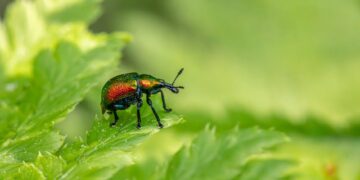
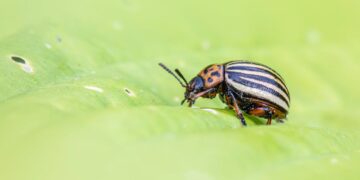
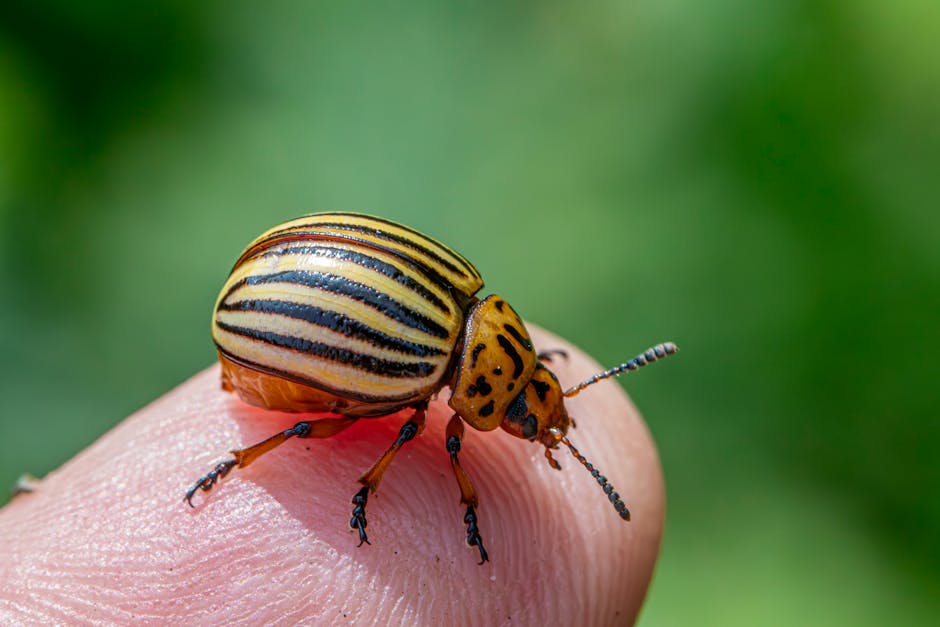
Insects such as aphids, beetles, and caterpillars are common culprits, often causing visible damage to plant leaves and stems. Aphids, for instance, suck the sap from plants, weakening them and spreading diseases.
Mammals and Birds
Rodents, deer, and birds might be endearing in nature, but in a garden, they can wreak havoc, eating seeds, buds, leaves, and fruits. Protecting your garden from these larger intruders requires different strategies compared to insects.
Mollusks
Snails and slugs love moist, shaded gardens and are known for eating holes in leaves, flowers, and vegetables, especially during the night.
Organic and Chemical-Free Pest Prevention Strategies
To keep your garden safe and healthy, it’s preferable to use organic and chemical-free methods whenever possible. Here are some effective strategies that are easy to implement and environmentally friendly.
Physical Barriers and Traps
Employing physical barriers like nets, floating row covers, or cloches can effectively keep many pests away from your plants. For slugs and snails, beer traps or diatomaceous earth around the base of plants can reduce their numbers significantly.
Planting Pest-Repellent Plants
Some plants naturally repel certain pests. For instance, marigolds can deter aphids and nematodes. Growing these alongside more vulnerable plants can help shield them from pests. Companion planting not only adds diversity to your garden but also enhances its overall health.
Encouraging Beneficial Insects
Encouraging beneficial insects like ladybugs, praying mantises, and beneficial nematodes can be an efficient pest control strategy. These predators naturally manage pest populations. Planting species that attract these helpers, such as sunflowers for ladybugs, can naturally keep your garden healthy.
Regular Garden Maintenance Tips
Consistent garden care is essential in preventing pest invasions. Here are some maintenance tips that serve as preventive measures against pests.
Monitoring and Regular Check-ups
Regularly walking through your garden and inspecting your plants can help you spot the early signs of an invasion. Look for nibbled leaves, discoloration, and damaged flowers. Early detection is key to preventing pests from spreading.
Proper Watering and Fertilizing
Overwatering can attract pests like snails and create a breeding ground for fungal diseases. On the other hand, a well-fertilized and watered garden can withstand pest attacks better. Ensure your plants receive the right amount of nutrients and water according to their specific needs.
Cleanliness and Hygiene
Keeping your garden clean can significantly help in keeping pests away. Ensure that fallen leaves and dead plants are removed regularly, as they can harbor pests and diseases. Clean your tools regularly to avoid transferring pests or infections from one plant to another.
Advanced Strategies for Persistent Pest Problems
Sometimes, despite your best efforts, persistent pests can still pose a problem. In such cases, more specific strategies may be required.
Biological Control Methods
For severe infestations, consider introducing more aggressive biological controls like beneficial bacteria or fungi that target specific pests. These biological agents can significantly reduce pest populations without harming your plants.
Professional Help
If the pest issue is extensive or if you are unsure about how to deal with it, seeking professional advice or services might be the best approach. Experts can offer tailored solutions that are effective while minimizing harm to your garden’s ecosystem.
Conclusion
Effective garden pest prevention starts with understanding the pests you are dealing with, followed by implementing a combination of strategic planting, regular maintenance, and whenever necessary, biological controls. By adopting these strategies, you can enjoy a healthy, flourishing garden free of unwanted visitors. Remember, the key to success is consistency and observation, allowing you to enjoy the rewards of gardening without the frustration of battling pests constantly.
Stay vigilant and proactive, and your garden will not only survive but thrive in the face of pest challenges. Happy gardening!