



















Unlock the Secrets of Your Garden: Essential Soil Tools You Need
Whether you’re a seasoned gardener or just starting to dip your toes into the soil, understanding the importance of soil health is key to nurturing a thriving garden. Soil isn’t just dirt—it’s a dynamic and living environment that requires care and specialized tools to maintain its vitality. In this guide, we’ll explore the essential tools every gardener needs to unlock the secrets of their garden’s soil, ensuring it is fertile and ready for planting.
Understanding Soil Health
Soil health is the foundation of productive gardening. Healthy soil supports plant growth by providing nutrients, water, and a stable structure. It’s home to millions of bacteria, fungi, and other organisms that work together to break down organic matter and enrich the soil. Before diving into the tools needed to maintain this environment, it’s crucial to understand what makes soil healthy:
- Structure: Good soil should be loose and crumbly, not compacted. It should allow roots to penetrate deeply and water to drain efficiently.
- Nutrient content: Essential nutrients like nitrogen, potassium, and phosphorus should be present in the right amounts to feed plants.
- pH level: The acidity or alkalinity of soil affects nutrient availability. Most plants prefer a neutral pH.
- Organic matter: Decomposed plant and animal residues improve soil structure, water retention, and nutrient content.
Essential Soil Tools for Gardeners
To manage and maintain soil health effectively, there are several tools that can help. Here’s a roundup of the essential soil tools every gardener should have:
1. Soil Test Kit
Before you start planting, it’s important to know the condition of your soil. A soil test kit will reveal pH levels, nutrient content, and more. These kits are easy to use and provide valuable insights that can help you decide which amendments you might need to add to your soil.
2. Garden Trowel
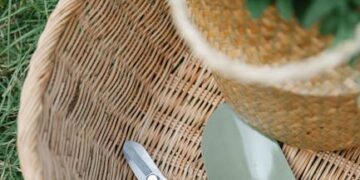
An indispensable tool for any gardener, a sturdy garden trowel helps with digging small holes for planting, adding amendments to soil, and transferring plants without damaging them. Look for one with a comfortable handle and a rust-resistant blade.
3. Spade and Shovel
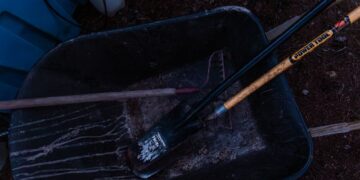
These tools are crucial for bigger digging tasks, such as turning over soil at the start of the season or digging larger plants and shrubs. A spade typically has a shorter handle and a squared blade edge, ideal for slicing through tough soil. A shovel often has a longer handle and a rounded blade, perfect for moving soil.
4. Garden Fork
This tool is excellent for breaking up compacted soil, aerating, and mixing in amendments like compost or fertilizer. The tines penetrate the soil much easier than a shovel, especially if the soil is dense or clay-heavy.
5. Compost Bin
Adding compost to your garden is essential for enriching soil. A compost bin helps you recycle kitchen waste and yard debris into nutrient-rich compost. This practice not only supports sustainable gardening but also reduces waste.
6. Mulch Rake
A mulch rake is wider than a standard rake and is designed to spread mulch evenly over large areas. Mulching is beneficial for maintaining soil moisture, regulating soil temperature, and preventing weed growth.
7. Hand Cultivator
This tool is great for aerating soil in container plants and small garden patches. It loosens the soil and helps mix in small amounts of amendments. A hand cultivator is also useful for uprooting weeds without disturbing plant roots.
Practical Tips for Using Your Soil Tools
Now that you know which tools are essential, here are some practical tips to make the most of them:
- Maintain your tools: Clean and dry your tools after each use to prevent rust and damage. Sharpen blades regularly to keep them effective.
- Test your soil annually: Soil conditions change over time, and annual testing will help you stay on top of its health.
- Add organic matter regularly: Incorporating organic materials like compost or leaf mold improves soil structure and fertility over time.
- Rotate your crops: Planting different types of crops in different areas of your garden each year can help prevent soil depletion and reduce pest accumulation.
Conclusion
Gardening is a rewarding activity that connects you with nature and provides a sense of accomplishment as you watch your plants grow and thrive. By equipping yourself with the right soil tools and understanding how to use them effectively, you can greatly enhance the health of your garden. Happy gardening!