

























Unlock the Secrets of Effective Garden Pest Control Methods
Are you tired of pests wreaking havoc in your garden? Each year, gardeners around the world face a common foe – pests. From tiny aphids to ravaging rodents, these unwelcome guests can destroy the fruits of your hard labor. But do not despair! This comprehensive guide will walk you through various effective garden pest control methods, ensuring your green space thrives beautifully and healthily.
Understanding Your Adversary: Common Garden Pests
Knowledge is power, especially in pest control. Familiarizing yourself with common garden pests is the first step towards effective management.
The Insect Brigade
- Aphids: These small, soft-bodied insects can be green, black, brown, or red. They typically cluster on the undersides of leaves, sucking plant sap and weakening the host.
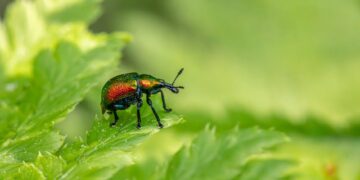
- Japanese Beetles: Recognizable by their metallic blue-green and copper colors, these beetles feast on flowers and foliage, often skeletonizing the leaves.
- Whiteflies: Resembling tiny white moths, whiteflies cluster on the undersides of leaves, feeding on plant juices and causing yellowing or wilting.
Larger Invaders
- Rodents: Mice and rats can be a nuisance in gardens, gnawing on new growth and fruit, potentially spreading diseases.
- Deer: While majestic, deer can decimate a garden overnight, feasting on flowers, leaves, and stems.
Organic Pest Control Strategies
For those preferring to avoid chemicals, organic pest control provides a sustainable, eco-friendly approach to managing garden pests.
Natural Predators
Introducing natural predators into your garden is an eco-smart strategy. Ladybugs devour aphids, and birds feast on harmful insects.
Tip: Install bird feeders to attract avian allies to your garden landscape.
Barriers and Traps
Physical barriers, such as netting or fencing, can protect your plants from larger pests. Similarly, traps can be effective for controlling small to medium-sized pests. Sticky traps catch flying insects, while live traps can humanely capture and relocate rodents.
Botanical Insecticides
Extracts from plants can deter or eradicate pests. For instance, neem oil acts as a repellent against a variety of insects and is safe for birds, mammals, and beneficial insects.
Example: Spraying neem oil on plants to protect against aphids and whiteflies without harming beneficial species like bees.
Chemical Pest Control Solutions
When organic methods fall short, certain chemical solutions can serve as a last resort. It’s crucial to use them responsibly to minimize environmental impact.
Selective Insecticides
Selective insecticides target specific pests without affecting others. For instance, Bacillus thuringiensis (Bt) is effective against caterpillars but harmless to other insects.
Broad-Spectrum Insecticides
For severe infestations, broad-spectrum insecticides may be necessary. However, these should be used sparingly as they can harm beneficial insects as well.
Integrated Pest Management (IPM)
IPM is a holistic approach combining various management strategies to maintain pest populations below damaging levels while minimizing risks to people, property, and the environment.
By integrating cultural, physical, biological, and chemical tools, IPM addresses pest management from all angles.
Monitoring and Identification
Regularly inspecting your garden allows you to identify pest problems early, which is crucial for effective management.
Cultural Practices
Healthy plants are less susceptible to pest infestations. Adequate watering, proper fertilization, and good soil management contribute to plant health and resilience against pests.
Legal and Ethical Considerations
Always ensure that your pest control methods comply with local regulations and ethical standards. Always consider the environmental impact of your actions.
Final Thoughts
Effective garden pest control is not about eliminating all pests but managing them to maintain balance in your garden ecosystem. By understanding the various methods available and integrating them thoughtfully, you can protect your garden from pests while supporting its overall health and vibrancy.
Now armed with this knowledge, you can make informed decisions about the best pest control strategies for your unique garden situation, leading to a lush, vibrant, and productive garden.