
























Top Strategies for Effective Garden Pest Management
Managing garden pests is a vital part of maintaining a healthy and flourishing garden. Whether you’re a seasoned gardener or a beginner, understanding effective pest control techniques can help ensure your plants thrive without the undue stress of harmful insects or animals. This article outlines several top strategies for effective garden pest management, offering insights into natural and chemical methods to maintain the perfect balance in your garden ecosystem.
Understanding Garden Pests
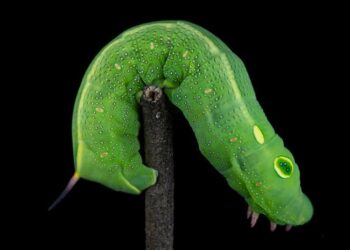
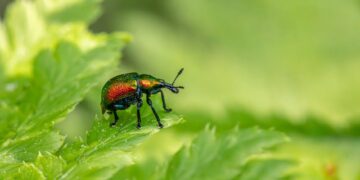
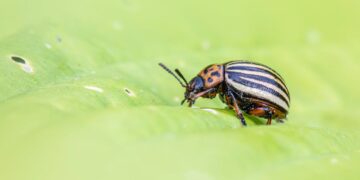
Before diving into pest control methods, it’s essential to identify which pests are common in gardens and understand their behavior and impact. Common garden pests include aphids, slugs, caterpillars, and beetles, each with specific characteristics and potential harm to your plants.
Identifying Common Pests
Aphids, for instance, are small sap-sucking insects that can cause leaf curling and stunted growth. Slugs and snails, on the other hand, are notorious for eating leaves, flowers, and fruits. Knowing the signs of these pests can help you act swiftly and efficiently.
Preventive Strategies
Prevention is often the best defense against garden pests. Several proactive steps can reduce the likelihood of a pest infestation.
Cultivating Healthy Soil
Healthy soil leads to strong plants that are more resilient against pests. Enrich your soil with compost and organic matter to enhance its nutrient content, which in turn supports robust plant growth.
Choosing Resistant Varieties
Planting pest-resistant plant varieties is an effective way to minimize pest problems. Many plants have been bred to resist specific pests and diseases, so selecting these can save you a lot of trouble down the line.
Regular Garden Maintenance
Keeping your garden tidy by removing weeds and debris can drastically decrease pest habitats. Also, practicing crop rotation and using row covers can prevent pests from settling in your garden.
Natural Pest Control Methods
When prevention is not enough, natural pest control methods can be effective without resorting to chemicals. These methods are safe for not only the plants but also the beneficial insects and animals in your garden.
Biological Controls
Introducing natural predators into your garden, like ladybugs to combat aphids or nematodes for grub control, leverages nature’s own mechanisms for maintaining balance.
Physical Barriers
Using nets, fences, or floating row covers can physically block pests from reaching your plants. Similarly, traps and sticky barriers can be used to catch and remove pests.
Botanical Insecticides
Products like neem oil and diatomaceous earth are natural treatments that discourage pests without harsh chemicals. They’re effective against a variety of insects and are safe when used as directed.
Chemical Pest Control
At times, when natural methods are overwhelmed, it may be necessary to turn to chemical pesticides. However, these should be used as a last resort and always responsibly.
Choosing the Right Pesticides
Select chemicals that are designed specifically for the pests you are dealing with, and that will cause the least harm to other garden inhabitants. Always follow label instructions precisely to avoid over-application and potential damage to the ecosystem.
Application Techniques
Effective pesticide application is crucial. This includes applying during non-windy days, early in the morning, or late in the evening to avoid harming beneficial insects and reducing chemical evaporation.
Monitoring and Adapting
Effective pest management is ongoing. Regular monitoring of your garden is essential to catch any potential pest issues early before they become significant problems.
Keeping Records
Maintaining a garden journal where you log your observations can be incredibly valuable. Record any pest sightings, the effectiveness of the applied methods, and any adjustments made. This historical record can help you prepare better for future seasons.
Adjusting Strategies Accordingly
As you observe how various strategies work, you might need to adjust your approach. What works one season might not be as effective the next. Flexibility and learning from past experiences are key to improving pest management in your garden.
Conclusion
Effective garden pest management not only protects your plants but also supports the biodiversity of your garden. By employing a combination of prevention, natural solutions, and careful use of chemicals, you can manage pests effectively and sustainably. Remember, the ultimate goal is to maintain a healthy, harmonious ecosystem in your garden where every plant and creature thrives appropriately.