




















The Ultimate Guide to Indoor Gardening for Beginners
Welcome to the delightful world of indoor gardening, a perfect hobby for nature lovers who might not have the space or climate to cultivate an outdoor garden. In this comprehensive guide, we’ll walk you through the basics, provide helpful tips, and ensure you have all the knowledge you need to start and maintain a thriving indoor garden. Whether you’re looking to brighten up your living space or harvest your own herbs and vegetables, this guide is your first step towards becoming a green-thumbed indoor gardener!
Getting Started with Indoor Gardening
Before you dive into planting, it’s essential to understand the fundamentals that will make your indoor garden a success.
Choosing the Right Space
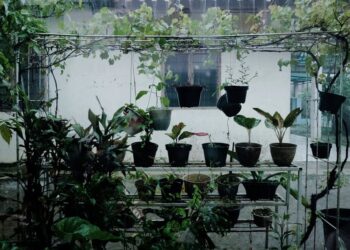
Locate an area in your home that receives ample sunlight, typically near a window. South-facing windows are ideal as they receive the most light throughout the day. If natural light is limited, consider investing in grow lights. The right environment will ensure your plants grow healthy and strong.
Selecting Your Plants
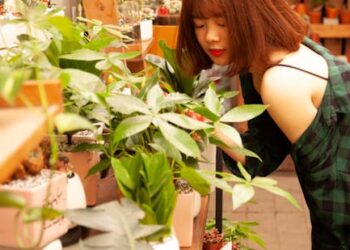
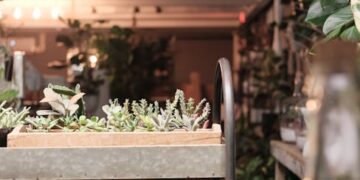
Some plants thrive indoors better than others. Beginners might want to start with low-maintenance varieties such as succulents, snake plants, or pothos. These are forgiving and require minimal care. You can also explore herbs like basil or mint, which are useful for cooking and do well indoors.
Essential Supplies for Indoor Gardening
Acquiring the right tools and supplies is crucial for starting your indoor garden. Here’s what you’ll typically need:
Containers
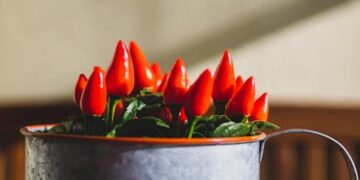
Choosing the right pots is crucial. Ensure they have adequate drainage holes to prevent water logging, which can lead to root rot. Plastic, clay, or ceramic pots are all suitable, each with their own pros and cons regarding weight, porosity, and aesthetics.
Soil and Fertilizers
Opt for a high-quality potting mix that is suitable for the type of plants you are growing. Indoor plants also benefit from periodic fertilization. Choose an appropriate fertilizer and follow the recommended usage to provide nutrients needed for growth.
Growing Lights
If you don’t have access to sufficient natural sunlight, grow lights are a game changer. They come in various types, including fluorescent and LED, each offering different benefits and light spectrums to support plant growth.
Planting and Caring for Your Indoor Garden
Now that you have everything set up, let’s walk through the planting process and ongoing care to keep your garden vibrant and healthy.
Planting Techniques
Fill your containers with the chosen potting mix, plant the seeds or seedlings, then gently water them. Make sure the soil is moist but not waterlogged. Place the plants where they can receive adequate light and aren’t exposed to extreme temperatures.
Watering Your Plants
Watering needs vary between different plant types. Over-watering is a common mistake in indoor gardening, so it’s crucial to learn the specific water requirements for your plants. A good rule of thumb is to water only when the top inch of the soil feels dry.
Pruning and Maintenance
Regular pruning helps to encourage growth and prevents pests and diseases. Remove yellowing leaves and spent blooms to keep your plants healthy and aesthetically pleasing. Check regularly for pests like spider mites and aphids, which can be controlled naturally with neem oil or other eco-friendly options.
Problem Solving in Indoor Gardening
Even with the best care, issues can arise. Here’s how to deal with some common problems:
Dealing with Pests
If you notice pests, isolate the affected plant to prevent spreading. Clean the leaves and apply an appropriate natural pest control method. Avoid chemical pesticides if possible, especially if you are growing herbs or vegetables.
Addressing Poor Growth
If your plants aren’t thriving, consider whether they need more light, water, or nutrients. Adjusting these elements can often help revive your plant.
Expanding Your Indoor Garden
As you become more comfortable with your new hobby, you might want to expand your plant collection or try more challenging varieties. Experiments with different plants or advanced techniques like hydroponics could also enhance your indoor gardening experience.
Advanced Plant Care Techniques
As you progress, learn about techniques like repotting, proper seasonal care, and even propagation to multiply your favorite plants.
Conclusion
Indoor gardening is a rewarding activity that beautifies your home and can even contribute to your wellbeing. With patience and practice, you’ll be able to nurture a flourishing indoor garden that brings life to any space. Happy gardening!