
























Maximize Your Space: Creative Ideas for Your Indoor Herb Garden
Herbs are not just culinary delights; they can transform your living spaces into lush, vibrant areas. Regardless of the size of your home, creating an indoor herb garden can bring freshness and greenery indoors. Let’s explore some creative ways to grow herbs inside your home, making the most of the space you have.
Understanding the Basics of Indoor Herb Gardening
Before diving into the creative aspect, it’s crucial to grasp a few fundamentals. Indoor herb gardens need adequate light, appropriate soil, and proper watering to thrive. Most herbs require at least six hours of sunlight daily, so placing them near a south-facing window could be beneficial. When it comes to soil, opt for well-draining soil that’s nutrient-rich. Regular watering keeps the soil moist, but be careful not to overwater, as this can lead to root rot.
Choosing the Right Herbs
Select herbs that are known for their adaptability to indoor growing conditions. Basil, mint, chives, and parsley are great starters due to their low maintenance and high use in various cuisines. Each herb has unique light and water requirements, so take some time to research or ask at your local nursery.
Space-Saving Techniques for Growing Herbs Indoors
Not everyone has the luxury of ample space, but with a bit of creativity, you can still cultivate a thriving herb garden.
1. Vertical Gardens
Vertical gardening is a game-changer for those with limited floor space. You can use wall-mounted planters, hanging pockets, or even recyclable materials like old plastic bottles cut in half and attached to the wall. This method not only saves space but also adds a decorative touch to your walls.
2. Window Sill Herb Garden
The window sill is a bright spot for sun-loving herbs. Small pots or a long, narrow planter can turn any window ledge into a mini garden. Ensure that each herb gets enough light and isn’t overshadowed by others when planning your layout.
3. Tiered Plant Stands
Using tiered plant stands is an excellent way to use vertical space efficiently. These stands allow you to place several herbs on different levels, creating an attractive display while maximizing sunlight exposure for each plant.
Innovative Container Ideas for Indoor Herb Gardens
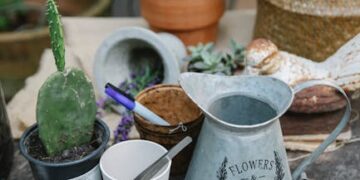
When it comes to containers, think beyond traditional pots. Many household items can be repurposed into unique planters, adding character and a personal touch to your indoor garden.
1. Mason Jars
Mason jars are not only ideal for rustic decoration but also for herb growing. They can be mounted on wood planks and hung on the wall, placed on window sills, or set up on countertops. Be sure to add pebbles at the bottom for proper drainage.
2. Teacups and Coffee Mugs
Old teacups and coffee mugs can serve as charming, eclectic herb pots. These are perfect for smaller herbs like thyme and mint. Drill a drainage hole at the bottom, or just ensure to layer stones before adding soil and plants.
3. Recycled Cans and Tins
Used tin cans can be cleaned, painted, and repurposed into bright, cheerful plant containers. They’re perfect for hanging on balconies or sitting prettily on a shelf. Again, good drainage is key, so poke a few holes in the bottom before planting.
Maintenance Tips for a Healthy Indoor Herb Garden
Maintaining an indoor herb garden requires attention but doesn’t need to be time-consuming.
Watering and Feeding
Herbs prefer soil that is slightly moist. Water them when the top inch of soil feels dry. Avoid water-logging as it may cause the roots to rot. During the growing seasons, spring and summer, feeding your herbs every few weeks with a liquid fertilizer can promote lush growth.
Pruning and Harvesting
Regular pruning is beneficial for herbs. It helps prevent them from becoming leggy and encourages bushier growth. Use your herbs to ensure they keep producing new leaves. Remember, the more you use, the more they grow!
Frequently Asked Questions
Which herbs can be grown indoors?
Many herbs thrive indoors, including basil, mint, parsley, thyme, and chives. Choose those that match your culinary preferences and available space.
How often should I water my indoor herb garden?
It depends on the type of herbs and the environment of your home. Generally, water when the top inch of soil is dry. Ensure proper drainage to prevent overwatering.
What are the common pests in indoor herb gardens, and how can I manage them?
Aphids and spider mites might trouble indoor herbs. You can manage them by washing leaves with a mild soap solution or using neem oil sprays.
Starting an indoor herb garden can be a delightful and aromatic addition to any home. With the right care, creative spacing, and container solutions, you’ll be able to enjoy fresh herbs year-round, enhancing meals and your living space alike. Remember, the key is to have fun and enjoy the process of growing your own herbs indoors!