



















Discover the Joy of Urban Planting: Top Indoor Gardening Techniques
Whether you live in a bustling city apartment or a cozy suburban home with limited outdoor space, bringing the lush beauty of nature indoors has never been more popular. Indoor gardening not only enhances your living space aesthetically but also improves air quality and can provide a soothing, rewarding hobby. Let’s explore some top techniques that will help you flourish in the world of urban planting.
Understanding the Basics of Indoor Gardening
Before diving into the planting pot, it’s essential to grasp a few fundamental concepts of indoor gardening. Recognizing the right environment, choosing suitable plants, and understanding their care will set you on a path to green-thumb success.
Choosing the Right Spot
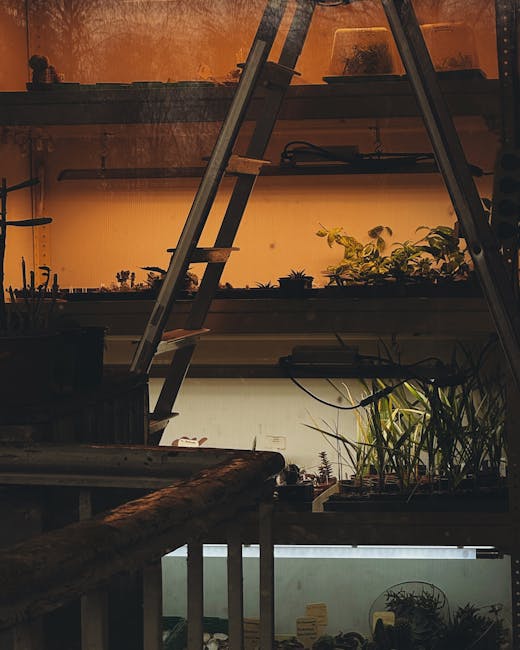
The initial step is to find the perfect spot in your urban jungle for your plants. Most houseplants thrive with ample indirect sunlight. North or east-facing windows are usually ideal, but if light conditions are suboptimal, consider using grow lights. These artificial lights can mimic the sun’s rays and are excellent for darker corners.
Selecting Your Plants
Not all plants have the same environmental needs. Some thrive in humid, shadowy areas while others require dry air and heaps of sunlight. Popular indoor plants like Pothos, Spider Plant, and Peace Lilies are forgiving and perfect for beginners. They not only adapt well to indoor conditions but also tolerate occasional neglect.
Creative Planting Techniques and Layouts
With basics in hand, let’s delve into some creative planting strategies that can maximize space and add unique touches to your home.
Vertical Gardening
When floor space is scarce, go vertical! Use wall-mounted planters or create a living plant wall. This not only saves space but can also become a striking focal point in your room. Vertical gardening is an ideal solution for smaller apartments or homes.
Hydroponics
If you’re ready for a soil-free alternative, hydroponics could be your next venture. This method involves growing plants in a water-based, nutrient-rich solution, allowing for faster growth and less mess. It’s perfect for urban dwellers who want to grow herbs and vegetables inside their homes.
Terrariums
For those who appreciate detailed, miniature ecosystems, terrariums are a lovely option. Whether you choose an open terrarium for succulents and cacti or a closed one for moisture-loving plants, these glass enclosures make delightful indoor gardens that require minimal care.
Maintenance Tips for Thriving Indoor Gardens
Effective maintenance is key to ensuring your indoor garden remains vibrant and healthy. Here are a few tips to help you nurture your plants:
Regular Watering and Feeding
Understanding your plant’s watering needs is crucial. Overwatering is a common mistake among novice gardeners and can lead to root rot, whereas under-watering might dry them out. Establish a regular watering schedule and stick to it, adjusting as necessary depending on the humidity and temperature of your home. Don’t forget about nutrition—feed your plants with appropriate fertilizers to enhance their growth and vitality.
Pest Management
Indoor plants are not immune to pests. Keep an eye out for signs of infestation such as sticky leaves, webs, or visible bugs. Natural remedies like neem oil or insecticidal soap can be effective treatments that are safe for use indoors. Regularly cleaning the leaves of your plants not only keeps them dust-free but also helps in early pest detection and prevention.
Pruning and Repotting
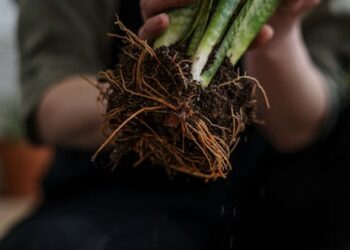
Prune dead or overgrown branches and leaves to encourage new growth and maintain the plant’s shape. Additionally, as plants grow, they may outgrow their pots. Moving them to larger containers can stimulate continued growth and prevent root crowding, which can stress the plant.
Frequently Asked Questions About Indoor Gardening
How often should I water my indoor plants?
Most indoor plants require watering when the top inch of soil feels dry. Always check the specific needs of each plant, as some might have unique requirements.
Are indoor plants good for health?
Yes! Beyond their aesthetic value, studies have shown that indoor plants can improve air quality by filtering harmful toxins. They also have a calming effect that can reduce stress levels.
What are the easiest plants to start with for beginners?
Snake Plant, Spider Plant, and Pothos are known for their hardiness and minimal care requirements, making them ideal for new indoor gardeners.
Conclusion
Urban indoor gardening is a delightful and enriching activity that can transform your living space into a vibrant oasis. By mastering a few techniques and understanding the essentials of plant care, you can embark on this green journey with confidence. So, why wait? Start exploring the wonderful world of urban planting today and bring a touch of nature indoors!