


















Common Mistakes in Indoor Plant Care and How to Avoid Them
Indoor gardening can transform your home into a lush oasis, but it comes with its own set of challenges. Whether you’re a seasoned plant parent or a beginner, it’s easy to make mistakes that can jeopardize the health of your indoor plants. In this article, we’ll explore some common missteps in indoor plant care and provide practical tips to ensure your green friends thrive all year round.
1. Overwatering: The Most Common Blunder
Overwatering is notoriously the leading cause of death in houseplants. It’s a common misconception that more water means healthier plants. However, too much moisture can lead to root rot, a deadly condition that can destroy your plant from below the surface.
How to Avoid Overwatering
- Check the soil moisture: Before reaching for your watering can, check if the top inch of the soil is dry. Only water if it feels dry to the touch.
- Understand your plant’s needs: Research how much water your specific type of plant actually requires. Succulents and cacti, for instance, need much less water compared to tropical plants like Pothos or Peace Lilies.
- Use pots with drainage holes: This can prevent water from pooling at the bottom of the container, providing an escape route for excess water.
2. Poor Light Conditions: Finding the Right Balance
Just like watering, light has a goldilocks zone that can be hard to hit. Too little light can stunt growth, while too much light can scorch your plant’s leaves.
How to Optimize Light for Indoor Plants
- Identify the light source: Place plants near windows that offer bright, indirect light. Southern-facing windows generally provide the most light.
- Rotate your plants: Plants can lean towards the light source, so give them a quarter turn with each watering to ensure even growth.
- Supplement with grow lights: If your space lacks natural light, consider using artificial grow lights. These can provide the specific light spectrum your plants need to photosynthesize effectively.
3. Incorrect Humidity Levels: Creating a Tropical Microclimate
Many popular houseplants originate from humid, tropical environments. Dry indoor air can lead to brown leaf tips and weak growth.
Tips for Managing Humidity
- Use a humidity tray: Place a tray filled with water and pebbles beneath your plant pots. As the water evaporates, it increases the humidity around the plants.
- Group plants together: Placing plants close to each other can help create a micro environment with higher humidity.
- Invest in a humidifier: Running a humidifier can significantly improve conditions, especially during the dry winter months.
4. Neglecting Soil Health: The Foundation of Plant Care
Soil is more than just dirt. It’s a complex ecosystem that supplies your plants with the nutrients, air, and water they need. Using the wrong soil type can impede a plant’s ability to grow.
How to Maintain Healthy Soil
- Choose the right potting mix: Different plants need different types of soil. Orchids, for example, thrive in a bark-based mix, while succulents prefer a sandier soil.
- Refresh the soil annually: Over time, potting soil can become compacted and nutrient-depleted. Refresh it once a year to keep your plants healthy.
- Avoid soil from outdoors: It might be tempting to use garden soil for indoor plants, but this can introduce pests and diseases. Stick to store-bought potting mixes designed for indoor use.
5. Overlooking Pest Problems: Keeping an Eye Out for Uninvited Guests
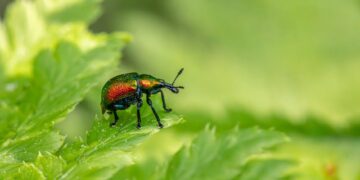
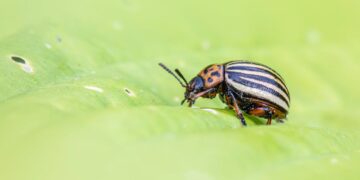
No plant parent wants to deal with pests, but ignoring the small signs (like sticky leaves or a fine webbing under leaves) can lead to bigger infestations.
Preventative Measures Against Pests
- Inspect new plants: Always check new plants for signs of pests before introducing them to your houseplant collection.
- Keep it clean: Regularly cleaning the leaves of your plants not only helps them breathe better but also reduces the risk of pests.
- Natural pest treatments: If you do encounter pests, consider using neem oil or insecticidal soap, which are less harsh than chemical pesticides.
Concluding Thoughts
Indoor plant care doesn’t have to be intimidating. By understanding the common mistakes many plant owners make and how to avoid them, you can not only keep your plants healthy but also turn your home into the vibrant, green sanctuary you envision. Remember, plant care is a journey of learning and patience.