






















Unlock the Secrets: Essential and Advanced Garden Pest Control Techniques for Home Gardeners
Whether you’re a novice or a seasoned green thumb, protecting your garden from pests is crucial to ensure the health and vibrancy of your plants. This guide explores both foundational and advanced strategies for garden pest control, equipping you with the knowledge to keep your garden flourishing.
Understanding Common Garden Pests
Before diving into control techniques, it’s important to know your enemy. Here are some common pests that might be enjoying your garden more than you:
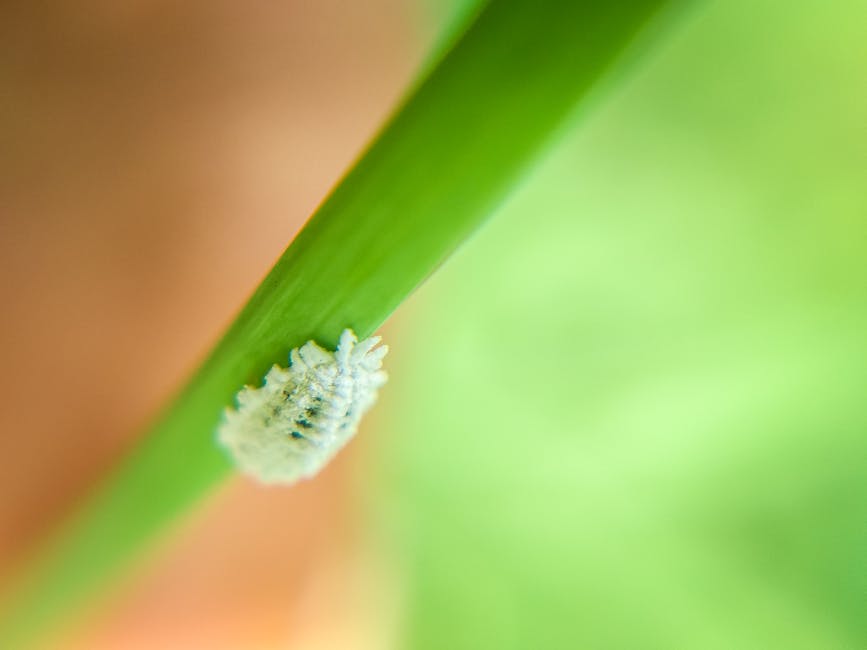
- Aphids: These tiny bugs can usually be found in clusters, sucking the sap from plants, which can lead to distorted leaves and stunted growth.
- Slugs and Snails: These slimy creatures love munching on leaves, particularly during the night or on rainy days.
- Caterpillars: The larvae of butterflies and moths can cause significant leaf damage as they prepare to transform into their next stage of life.
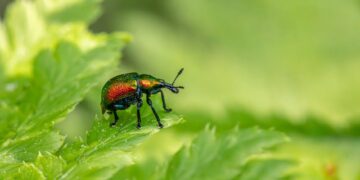
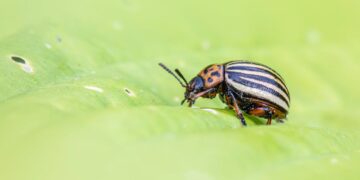
- Japanese Beetles: These shiny pests are not just a problem in Japan; they’re a common foe in many gardens, known for their destructive feeding habits.
Essential Garden Pest Control Strategies
Start with these practical and simple measures to protect your garden:
Maintain Plant Health
Strong, healthy plants are less susceptible to pest invasions. Regular watering, proper fertilization, and suitable sunlight are foundational to pest prevention.
Physical Barriers
Tools such as netting, garden fleece, and collars around the base of plants can physically block pests from reaching your plants. This method is particularly effective against birds and insects.
Natural Predators
Invite friends to your garden who will eat those pests! Birds, ladybugs, and lacewings are natural predators of many common pests. Installing a bird feeder or planting flowers that attract beneficial insects can help maintain a balanced ecosystem.
Advanced Techniques for Persistent Pests
If basic strategies aren’t cutting it, consider these advanced tactics:
Biological Pest Control
Introducing living organisms that are natural enemies to your garden pests can be an effective organic approach. For example, nematodes are tiny worms that can be used to combat slugs effectively.
Chemical Controls
When natural remedies are not sufficient, it might be necessary to use chemical pesticides. Always opt for environmentally-friendly options and follow the manufacturer’s instructions carefully to minimize harm to the garden ecosystem.
Tech-based Pest Control
Innovative solutions such as ultrasonic repellents or smart traps that lure and capture pests can be particularly useful for persistent problems or larger gardens.
Common Questions About Garden Pest Control
What is the safest pest control for edible gardens?
For edible gardens, it’s crucial to use organic or natural pesticides like neem oil, which is safe for plants you intend to eat.
How often should I check my garden for pests?
Regular inspections are key. Check your garden at least once a week, paying special attention to the undersides of leaves where pests like to hide.
Can I make homemade pesticides?
Yes, homemade remedies like a soap water solution can be effective against certain pests. A typical recipe might be a few drops of mild detergent mixed with water.
Ultimate Tips for Success in Garden Pest Control
- Start early: Begin your pest control strategies early in the season to prevent pests from gaining a foothold.
- Be consistent: Regular maintenance and checks are better than a one-time effort. Consistency is key in keeping pests at bay.
- Stay informed: Keep abreast of new pest control methods and products. What works one year might not be as effective the next as pests evolve and adapt.
By integrating these strategies, monitoring your garden’s health regularly, and adapting your methods as necessary, you can maintain a vibrant and healthy garden. Remember, the goal of pest control is not just to eliminate pests but to create a flourishing garden ecosystem. Happy gardening!