






















The Beginner’s Guide to Garden Infestation Solutions: Essential Tips for Every Homeowner
Whether you’re cultivating a lush backyard garden or nurturing a few pots on your balcony, facing an invasion of pests can dishearten any gardener. Don’t fret! This guide offers straightforward and effective strategies to tackle garden infestations, ensuring your green spaces remain healthy and vibrant.
Understanding Common Garden Pests
Before diving into solutions, it’s crucial to identify which pests have taken a liking to your garden. Here are a few common culprits:
Aphids
These tiny pests can be green, black, brown, or red. They suck the sap from plants, causing yellowing and distorted growth.
Slugs and Snails
Fond of moist environments, they feast on a broad range of plant leaves, especially in gardens that are well-watered.
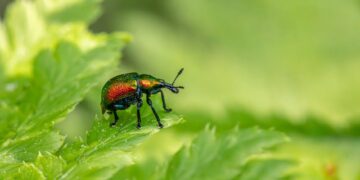
Japanese Beetles
These shiny, metallic beetles chew on flowers and foliage, often leaving a lace-like skeleton behind.
Natural and Chemical-Free Solutions
Handling pests doesn’t necessarily mean resorting to harsh chemicals. Here are some environmentally friendly methods to consider:
Neem Oil
An organic product that acts as an all-purpose repellent, neem oil is effective against a wide variety of pests and also helps combat fungal infections.
Insecticidal Soap
Made from naturally occurring plant oils and animal fats, insecticidal soaps dehydrate the insects’ bodies, ultimately killing them without harm to your plants.
Introducing Beneficial Insects
Believe it or not, not all insects are foes. Ladybugs, for example, devour aphids, while nematodes can handle soil-dwelling pests like grubs.
Chemical Solutions with Caution
Sometimes infestations are resilient enough to require chemical interventions. Here are some pointers:
Choosing the Right Pesticide
Select products specifically designed for the pests you are targeting to minimize their impact on non-target species. Always follow label instructions precisely.
Spot Treatment
Rather than blanket spraying, focus only on affected areas to reduce chemical usage and safeguard beneficial organisms.
Cultural Practices to Prevent Infestation
Prevention is often the best cure. Adopt these practices to keep pests at bay:
Regular Cleaning and Weeding
Keep your garden tidy. Remove plant debris and weeds, which can harbor pests.
Proper Watering Techniques
Over-watering can attract pests like slugs and can also lead to fungal diseases. Water your plants at the base to keep foliage dry.
Crop Rotation
Changing plant locations each season prevents pests that feed on specific plants from becoming established.
FAQs About Managing Garden Infestations
Let’s address some frequent queries to better equip you for this ongoing garden challenge:
What Are the Signs of Garden Infestations?
Look for visible pests, munched leaves, sticky residues, or discolored and wilting plants.
Is It Possible to Completely Eliminate Garden Pests?
While total elimination isn’t always practical, the aim is to reduce their numbers to the point where they do minimal damage.
How Often Should I Inspect My Garden for Pests?
Regular checks are vital; inspect your garden at least once a week for early signs of trouble.
In Summary
Armed with the knowledge of what attracts pests and how to deter them, you can ensure that your garden remains lush, healthy, and flourishing. Remember, the key to effective pest management lies in a balanced approach of preventive, natural, and, when necessary, chemical interventions. With these tips, you’re now equipped to keep those unwelcome guests in check and enjoy your gardening to the fullest!