






















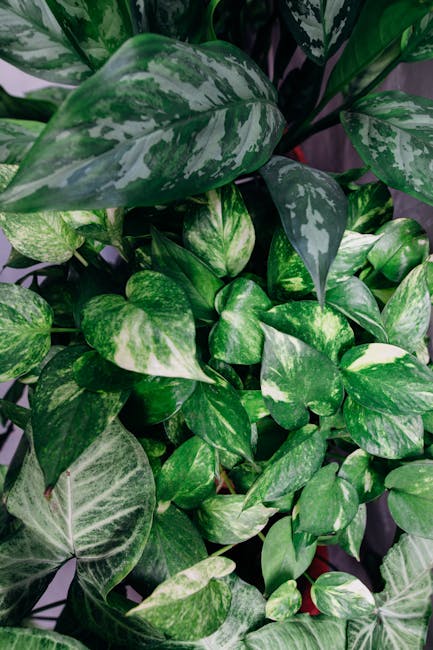
Ultimate Guide to Houseplant Care: Thrive in Any Space
Whether you’re a seasoned gardener or a novice looking to green up your living space, caring for houseplants can be a joyful and rewarding experience. This comprehensive guide provides all the essentials you need to help your indoor plants not only survive but thrive, regardless of your level of expertise or the amount of space you have available.
Understanding Your Plant’s Needs
Every plant is unique, and understanding what your particular type of plant needs is the first step to ensuring it flourishes in your home. Here are the basic requirements you should consider:
1. Light Requirements
Light is crucial for plant growth. Most houseplants require bright, indirect sunlight. However, some may thrive in low light conditions or direct sunlight. For example, succulents and cacti love sunny spots while ferns prefer shady areas. It’s essential to research your specific plant’s light needs.
2. Watering Habits
Overwatering is a common mistake among houseplant owners. To avoid this, understand the watering needs of your plant. Some plants, like peace lilies, indicate when they need water by drooping leaves. Generally, it’s best to water when the top inch of soil feels dry. Use your finger to test the moisture level before watering.
3. Soil and Fertilization
Good quality potting soil that provides adequate drainage and nutrient retention is key. Depending on the type of plant, you may need to add fertilizer to promote healthy growth. Slow-release fertilizers are great for continuous feeding without the risk of over-fertilization, which can harm your plant.
Choosing the Right Plants for Your Space
Selecting the right plants for your environment and lifestyle is crucial for successful houseplant care.
1. Assess Your Living Conditions
Look around your home and notice the light levels in different areas throughout the day. Some plants require more light than others. Additionally, consider the humidity level of your home; tropical plants often need higher humidity.
2. Consider Your Lifestyle
If you travel frequently or tend to forget about watering, choose low-maintenance plants like snake plants or ZZ plants. These are tolerant of neglect and infrequent watering.
3. Space Limitations
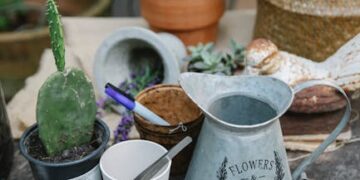
Don’t let a small space deter you from adding greenery to your home. Many plants thrive in compact areas. Small tabletop plants like succulents or vertical planters for herbs are great for tight spaces.
Optimizing Plant Placement
The right placement not only ensures your plants get their needs met but also brightens up your living space aesthetically.
1. Utilize Window Sills
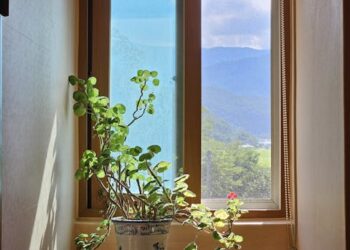
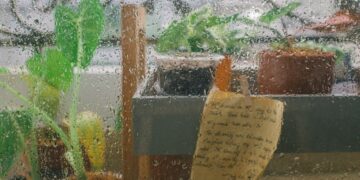
Window sills are often underutilized spaces that get plenty of light. Herbs, small flowering plants, or even some types of ferns can thrive here.
2. Corners and Shelves
Tall plants like fiddle leaf figs or dracaenas are perfect for empty corners. Meanwhile, shelves can be adorned with smaller potted plants or cascading species like pothos and string of pearls.
3. Hanging Planters
If floor space is scarce, consider hanging planters. They can be installed in ceilings or high on walls. Choose plants with dropping or vining characteristics such as spider plants or Boston ferns.
Maintaining Healthy Indoor Plants
Regular maintenance is key to keeping your plants healthy. Here are some tips to incorporate into your routine:
1. Regular Cleaning
Dust on leaves can block sunlight and reduce a plant’s ability to photosynthesize. Gently wipe leaves with a damp cloth or give them a lukewarm shower occasionally.
2. Pruning and Trimming
Remove dead or yellowing leaves regularly to help the plant focus its energy on new growth. Pruning can also help maintain a plant’s shape and promote fuller growth.
3. Watch for Pests
Keep an eye out for signs of pests like spider mites, aphids, and scale insects. An early response with natural insecticides or neem oil can prevent larger infestations.
Common Questions About Houseplant Care
1. How often should I repot my plants?
Plants typically need to be repotted every 1-2 years, but some slow growers can stay in the same pot longer. Signs that indicate a need for repotting include roots growing through the drainage holes and soil that dries out too quickly.
2. Are houseplants beneficial for health?
Yes, houseplants can improve indoor air quality by absorbing toxins and producing oxygen. They also have therapeutic qualities, reducing stress and enhancing mood.
In Conclusion
Caring for houseplants is a delightful way to enhance your living space and connect with nature. By understanding and catering to the specific needs of your plants, choosing the right species for your environment, and adhering to routine maintenance, you can ensure a lush, vibrant indoor garden. So, embrace the joy of houseplant care and watch your green friends thrive!