




















Transform Your Home: Step-by-Step Guide to Creating an Indoor Garden Setup
Have you ever envied the lush, vibrant indoor gardens you see in magazines? Creating your very own indoor oasis might be easier than you think. Whether you’re living in a small apartment or a spacious home, an indoor garden can be a refreshing addition that not only beautifies your space but also boosts your mood and purifies the air. In this guide, we’ll walk you through a step-by-step process to create an engaging and sustainable indoor garden setup.
Understanding the Basics of Indoor Gardening
Before you start, it’s important to understand the essentials of indoor gardening. Indoor plants differ in their light, water, and space requirements. The key is to match these conditions closely to what they would experience naturally.
Lighting
Most indoor plants need good lighting to thrive. South-facing windows usually provide the brightest light, but if natural light is limited, investing in grow lights can offer your plants the energy they need.
Water and Humidity
Water needs can vary widely among different plant types. While some plants prefer dry soil between watering, others might need consistently moist soil. Similarly, some plants, especially tropical varieties, thrive in humid conditions.
Temperature and Airflow
Houseplants generally prefer temperatures between 65°F and 75°F (18°C and 24°C). Mild airflow helps to prevent pests and diseases but avoid placing plants in drafty areas or near temperature extremes like heating vents or air conditioners.
Choosing the Right Plants
Select plants based on the conditions of your garden space. Here are a few versatile options categorized by different environmental needs:
- Low Light: Spider plants and philodendrons are great for less sunny spots.
- High Humidity: Ferns and peace lilies will thrive in moist environments.
- Edible Plants: Herbs like basil, mint, and chives are good starter plants and can be used in your cooking.
Understanding the individual needs of your plants will help you maintain their health and ensure your indoor garden thrives.
Setting Up Your Indoor Garden
Step 1: Design Your Space
Measure and allocate a specific area for your garden considering both aesthetics and the plants’ growth requirements. Use shelving, hanging pots, or even a mini greenhouse, depending on your space and style.
Step 2: Prepare the Containers
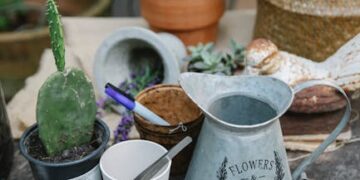
Choose pots with drainage holes to prevent overwatering. Consider pot liners for an easy cleanup. You can get creative with repurposed items like mugs or old tins for a unique touch, but make sure they’re suitable for plants.
Step 3: Select Your Soil
Use a high-quality potting mix suitable for indoor plants. Consider special soil types for specific plants like succulents or orchids, which may need more porous soil to prevent water retention and root rot.
Step 4: Plant with Care
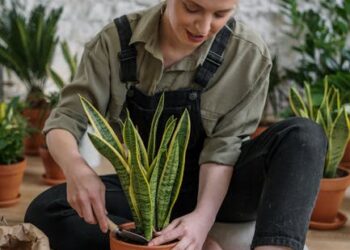
Gently remove plants from their nursery containers, ensuring not to damage the roots. Place them in the new pots with enough soil to cover the roots comfortably. Press lightly around the bases after planting to secure them.
Step 5: Water and Feed
Immediately after planting, give your plants a good water. Going forward, follow the specific watering needs of each plant. Apply a balanced fertilizer every few weeks to nourish your plants and promote growth.
Maintenance Tips for a Thriving Indoor Garden
Maintaining an indoor garden is ongoing but fulfilling. Here are some tips to keep your plants healthy:
- Regular Cleaning: Dust the leaves to ensure your plants can photosynthesize efficiently.
- Pruning: Trim off dead or yellowing leaves regularly to help your plants direct their energy to new growth.
- Pest Management: Keep an eye out for signs of pests and address any infestations early with natural pesticides or other suitable treatments.
Common Questions About Indoor Gardens
How often should I water my indoor plants?
This will vary greatly depending on the type of plant. Always check the soil moisture and refer to specific guidance for each plant type.
Can indoor gardens help purify air?
Yes, many indoor plants such as spider plants and snake plants are known for their air-purifying properties, absorbing toxins and producing fresh oxygen.
What if I have limited space?
Vertical gardens or multi-layered plant stands can be great space-savers. Choosing compact plants or those that can be hung from the ceiling can also help utilize smaller areas effectively.
Conclusion
Starting an indoor garden can transform your living space into a vibrant, green sanctuary. It’s a rewarding endeavor that not only brings beauty into your home but also enhances your well-being. With the right plants and setup, even the most novice gardener can create a flourishing indoor garden. Start small, be patient, and watch your indoor garden grow into something truly beautiful. Happy gardening!