



















Unlock the Secrets to Thriving Plants with Essential Indoor Gardening Supplies
Cultivating a lush indoor garden is an enjoyable and rewarding endeavor. Whether you are a seasoned green thumb or a budding gardener, equipping yourself with the right tools and knowledge can transform your indoor spaces into a vibrant oasis. This guide will walk you through the indispensable supplies and savvy tips needed to ensure your indoor plants not only survive but truly thrive.
Essential Supplies for Indoor Gardening
Starting your indoor garden requires more than just pots and soil. Here are some crucial supplies that will help ensure your gardening success.
Pots and Planters
Choosing the right container is pivotal for your plant’s health. Containers come in various materials like plastic, clay, and fabric. Each has its benefits:
- Plastic pots are lightweight and moisture-retentive, perfect for water-loving plants.
- Clay or terracotta pots are ideal for plants that prefer dry soil, as they are porous and allow air and water to pass through easily.
- Fabric pots promote healthy root growth by air pruning and improve aeration.
Ensure pots have drainage holes to prevent waterlogging, which can lead to root rot.
High-Quality Soil
Soil is not just dirt! It’s a foundation of nutrients and support for your plants. Opt for a high-quality potting mix that is suitable for indoor plants. Look for mixes that contain peat moss, perlite, and vermiculite, which help ensure good drainage and air flow.
Lighting Solutions
Sufficient lighting is crucial for plant growth. Although natural sunlight is best, many indoor environments require artificial lighting. LED grow lights are an excellent choice as they are energy-efficient and emit a spectrum of light that supports photosynthesis.
Watering Tools
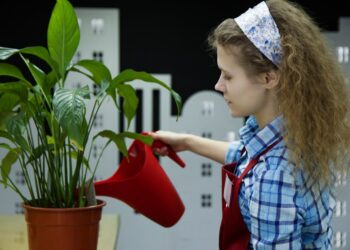
Over-watering is a common mistake in indoor gardening. Invest in a watering can with a long spout to control water flow, ensuring a gentle soak. A moisture meter can also be a game changer, helping you gauge when your plant truly needs water.
Creating the Ideal Environment
Your indoor gardening success also heavily depends on the environment you create for your plants.
Temperature and Humidity
Most indoor plants thrive in temperatures between 65°F and 75°F. If your home is dry, especially in winter, consider using a humidifier to increase the humidity to a level that is comfortable for your plants. Tropical plants often require higher humidity levels and can benefit from regular misting.
Fertilization
Like us, plants need proper nutrition to grow. An all-purpose, water-soluble fertilizer can cover most plant types. However, research your specific plant species for tailored nourishment tips. Less is often more with fertilizer, so be cautious not to overfeed.
Common Questions Answered
As you embark on your indoor gardening journey, you might have questions. Here are answers to some common inquiries:
How often should I repot my indoor plants?
Generally, indoor plants should be repotted every 12 to 18 months, depending on the plant’s growth rate. Signs that your plant needs a bigger pot include roots growing through the drainage holes, soil drying out rapidly, or visible salt and mineral buildup on the soil’s surface.
What are the best plants for beginners?
Start with hardy plants that are forgiving and easy to care for. Spider plants, snake plants, and pothos are excellent choices for those new to indoor gardening.
Actionable Tips and Tricks
Here are a few practical tips that can make your gardening more effective:
Grouping Plants
Placing plants together can create a microenvironment that can help manage humidity levels. This is particularly beneficial for tropical plants.
Observation
Make it a habit to check on your plants regularly. Look for signs of distress like drooping leaves or discoloration. Catching issues early can make a huge difference in the health of your plant.
Cleaning Leaves
Dust can accumulate on leaves, blocking sunlight and reducing the plant’s ability to perform photosynthesis. Gently wipe leaves with a damp cloth periodically to keep them clean and efficient.
Conclusion
Indoor gardening can be a delightful and enriching activity. With the right supplies, a bit of knowledge, and the willingness to observe and learn, your indoor plants can thrive, brightening your home and bringing you closer to nature. Embrace the adventure of indoor gardening, and enjoy the lush, green rewards!