


















Maximize Your Garden’s Potential with the Right Planting Equipment
Whether you’re a seasoned gardener or just starting out, the right tools can make all the difference in your gardening experience and outcomes. From preparing the soil to planting and maintaining your plants, each step is crucial. Discover how selecting the best planting equipment can enhance your gardening efficiency, increase yield, and make the process enjoyable.
Understanding the Importance of Quality Planting Equipment
High-quality planting equipment is not just about durability and efficiency; it’s about precision and creating a nurturing environment for your plants. Tools that are specifically designed for gardening tasks can reduce effort, minimize plant stress, and ensure optimal growth conditions.
The Role of Different Planting Tools
Each tool in a gardener’s toolkit has a unique role:
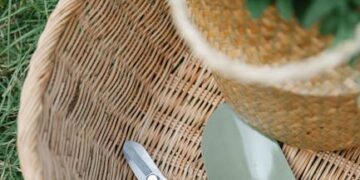
- Trowels: Essential for digging small holes, transplanting seedlings, and mixing soil amendments.
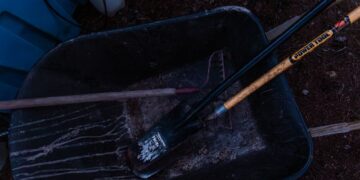
- Spades: Perfect for turning the soil, digging trenches, and edging garden beds.
- Pruners: Important for trimming and shaping plants, and removing dead or damaged foliage.
- Hoes: Ideal for weed control and breaking up the soil surface for better air and water penetration.
Choosing the right tool for the task can significantly influence the ease of gardening and the health of your garden.
Selecting the Right Tools for Different Gardening Tasks
Preparing the Soil: Tillers and Spades
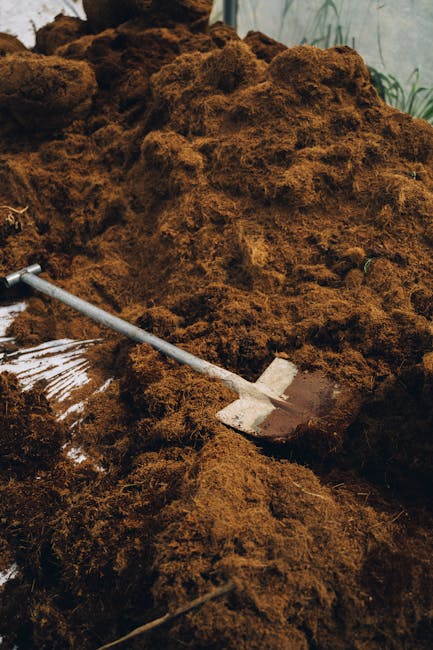
One of the first steps in gardening is preparing the soil. A tiller is excellent for breaking new ground and incorporating soil amendments. For smaller spaces, a robust spade can help turn the soil, mixing in compost or other organic material to improve fertility and drainage.
Planting: Trowels and Dibbers
When it comes time to plant your seeds or seedlings, a sharp, comfortable trowel can make a big difference. For seeds, a dibber—a pointed tool for making holes in the soil—can help you achieve the correct depth and spacing more efficiently.
Maintenance: Pruners and Shears
Keeping your garden looking its best involves regular pruning and trimming. Ergonomic pruners and shears are designed to make clean cuts that heal quickly, promoting healthy growth in your plants.
Top Features to Look for in Planting Equipment
Not all garden tools are created equal. When choosing your equipment, consider the following features:
- Ergonomics: Tools should feel comfortable in your hand and not cause strain during use.
- Material: Stainless steel tools are durable, rust-resistant, and easy to clean.
- Versatility: Multi-purpose tools can be especially useful in smaller gardens where storage space is limited.
Sustainability in Tool Selection
Consider environmentally friendly options such as tools made with recycled materials or those that offer replaceable components to extend their life span and reduce waste.
Implementing Efficient Gardening Practices
Using the right tools is just one part of maximizing your garden’s potential. How you use these tools can also impact your gardening success.
Regular Maintenance of Equipment
Keeping your tools clean and sharp can improve their effectiveness and longevity. Routinely check for any signs of wear and address them promptly to ensure that your gardening equipment remains reliable and ready to use.
Professional Insights and Tips
Seek advice from gardening experts and professional landscapers to learn more about the best tools and techniques for your specific garden conditions and plant choices. They can offer valuable insights that tailor to your environment, ensuring that you get the most out of your planting equipment.
Garden Design and Tool Efficiency
Interestingly, the design of your garden can also influence the type of tools you’ll need. For instance, raised beds might require different spades and trowels compared to conventional gardens. Plan your garden layout with tool use in mind, ensuring paths and plant spacing accommodate easy access and tool operation.
Actionable Gardening Checklist
Here’s a quick checklist to help you get started on the right foot:
- Assess the size and type of your garden to determine the necessary tools.
- Invest in high-quality tools with a focus on ergonomics and durability.
- Maintain your tools regularly—clean and sharpen them after each use.
- Learn from experts and apply efficient gardening practices.
By equipping yourself with the right planting tools and using them effectively, you can increase your garden’s productivity, enhance its beauty, and enjoy the gardening process even more. Happy gardening!