

















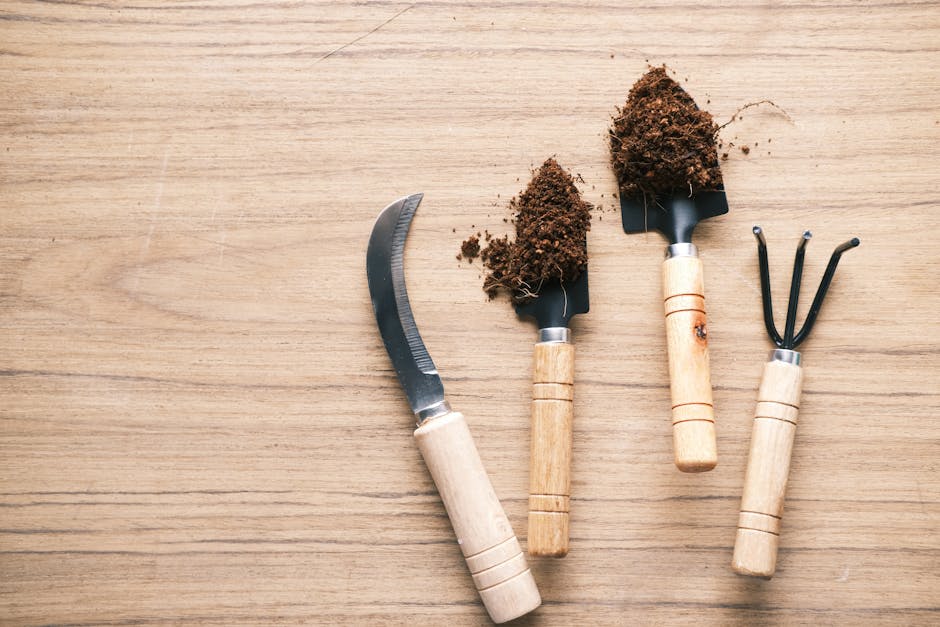
Unlock the Magic of Spades: Essential Tips for Every Gardener
Whether you’re a seasoned gardener or just starting your first plot, the spade is an indispensable tool in your gardening arsenal. This detailed guide will help you understand the magic of spades, offering essential tips to enhance your gardening experience, increase efficiency, and ensure your garden thrives.
Understanding the Importance of a Good Spade
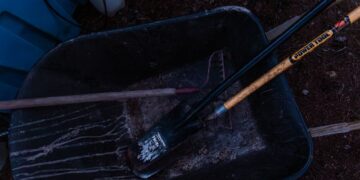
A spade is more than just a tool; it’s a gardener’s best friend. It serves multiple purposes such as digging, turning the earth, and edging. Choosing the right spade will not only reduce your toil but also improve the health of your garden.
Types of Spades
Spades come in various shapes and sizes, each designed for specific tasks:
- Garden Spade: Generally, it has a short handle and a broad blade, perfect for digging and turning soil.
- Border Spade: Smaller than a garden spade, it’s ideal for maintaining flower beds and smaller spaces.
- Trenching Spade: This has a long, narrow blade designed for digging deep into the soil, excellent for creating trenches or planting bulbs.
Choosing the Right Spade
Selecting the right spade depends on both the user and the task. Consider the following:
- The spade’s weight and handle length should match your strength and height to prevent strain.
- Look for ergonomically designed handles to enhance comfort and efficiency.
- Ensure the spade’s material (commonly wood, fiberglass, or metal) suits your soil type and working condition.
Essential Spading Techniques
Mastering the use of a spade can significantly ease your gardening tasks. Here are some techniques that every gardener should know:
Proper Digging
Follow these steps to maximize efficiency and minimize effort:
- Position your feet shoulder-width apart for stability.
- Grip the handle with both hands, keeping your back straight to avoid strain.
- Use your leg muscles to drive the spade into the soil and lever out the earth.
Effective Soil Turning
Soil turning is essential for aerating your garden and promoting healthy plant growth. Use your spade to turn the soil gently at the start or end of each season:
- Dig deep and turn over large clods of earth to expose the under-layers.
- Break up the clods with the edge of your spade to enhance soil texture and aeration.
Creating Sharp Edges
A neatly edged garden looks tidy and defines spaces effectively. Use a border spade to create sharp edges around beds and pathways:
- Press the spade deeply along the borders of the flowerbeds or lawn.
- Move forward along the line, ensuring consistency in depth and width of the edge.
Maintaining Your Spade
Proper care extends the life and effectiveness of your spade. Here are some maintenance tips:
Cleaning and Storage
After each use, follow these steps:
- Clean off any soil and debris from the blade and handle.
- Dry the spade thoroughly to prevent rust.
- Store in a dry, covered location to avoid exposure to harsh weather conditions.
Sharpening the Blade
A sharp spade cuts through soil much easier, reducing your effort. Sharpen your spade’s blade every few months:
- Use a metal file to gently file the edges of the blade.
- Maintain an angle consistent with the original blade edge for best results.
Frequently Asked Questions
What is the difference between a spade and a shovel?
Spades and shovels are often confused. A spade is used for slicing through the soil, digging, and lifting, with a flat, sharp blade ideal for cutting through roots or turf. A shovel has a broader, rounded blade with a slightly cupped surface, mainly used for scooping and moving loose materials.
How do I choose a spade that’s right for my height?
For ergonomic comfort, choose a spade where the handle reaches your chest level when stood on its blade tip. This height reduces the need to bend excessively and helps prevent back strain.
Can I use a spade in all types of soil?
Yes, but be mindful of the blade’s material and sharpness when working with different soil types. For hard, compacted soils, a robust, sharp spade made of high-quality steel is recommended. For softer soils, standard spades are generally sufficient.
Conclusion
Investing time in selecting the right spade, practicing proper techniques, and performing regular maintenance can transform your gardening experience. With the insights from this guide, you’re now equipped to unlock the full potential of your spade, enhancing both the health of your garden and your enjoyment of this rewarding activity.